1986 JAL Flight 1628 Encounter
Japan Airlines Flight 1628 was a Nov. 17, 1986 cargo-flight UFO report over Alaska involving pilot testimony, FAA records, and disputed radar indications.
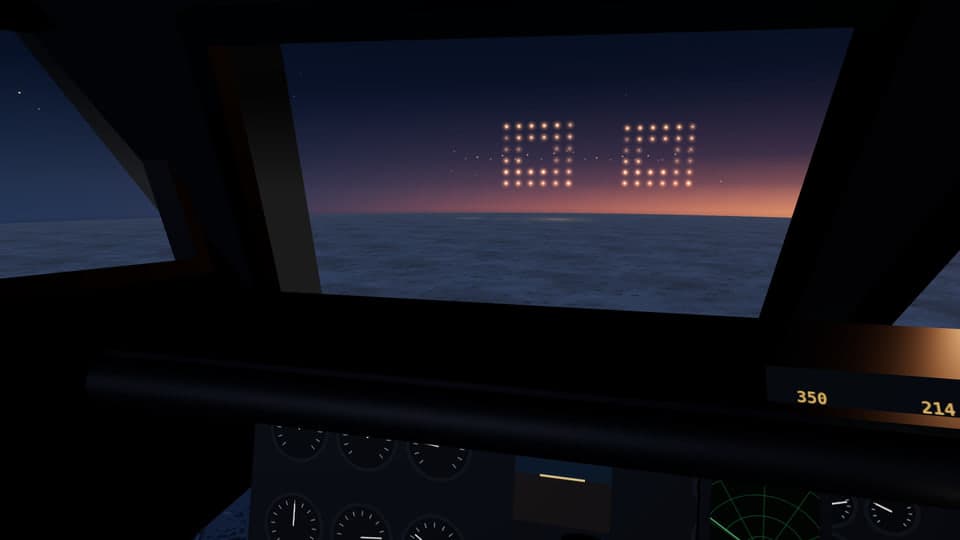
Japan Airlines Flight 1628 was a cargo flight from Europe to Japan that reported an unusual aerial encounter over Alaska on November 17, 1986. The crew, led by Captain Kenju Terauchi, said they saw bright objects near the aircraft and later a much larger object trailing or pacing the Boeing 747 freighter. The flight was operated by Japan Airlines, and the episode became a major aviation UFO case because the crew's report entered Federal Aviation Administration channels rather than only later civilian retellings.
The FAA record is the case's anchor. In March 1987 the FAA released documents related to the reported sighting, including communications transcripts, controller interviews, crew interviews, radar plots, and other data. The agency's own release said it was unable to confirm the event. That careful wording is important. It confirms that the report was handled and documented; it does not confirm that the crew encountered a physical craft.
The witness stream is strong in one sense and fragile in another. Professional pilots were operating in a safety-critical environment, and the reported duration gave the event additional weight compared with a momentary light. At the same time, night conditions, bright planets, relative motion, and limited visual reference points can distort size and distance. Skeptical analyses have argued that Jupiter, Mars, radar clutter, or split returns may explain parts of the record. Proponents emphasize the crew's repeated reports, the operational communications, and the impression that radar was at least discussed by controllers.
The radar issue is where the case often gets overstated. FAA files and later retellings mention radar plots and controller discussion, but the public record does not cleanly establish a continuous, independently confirmed track of a solid object matching the visual report. A radar return can be clutter, a ghost, a split image, or unrelated traffic unless it is correlated with time, bearing, altitude, and platform geometry. The JAL case is therefore better described as an aviation report with documented government handling and disputed technical corroboration.
The event's Japanese connection also gives it renewed relevance in a period when Japan's UFO議連総会 and parliamentary UAP activity have put allied reporting channels back in view. Flight 1628 is not evidence of a current Japanese government position on UAP, but it remains one of the best-known cases linking Japanese aviation, U.S. airspace, and official records.
Probed read: JAL 1628 is important because it produced a public FAA file and involved trained aircrew. Its weak point is the uncertainty of the technical corroboration and the possibility that visual and radar impressions were later braided into a stronger story than the records can support.
What would move the assessment: The strongest missing package would include original radar data in modern analyzable form, cockpit audio, controller tapes, aircraft track data, weather and astronomy reconstruction, and a transparent review of each claimed radar return. Without that, the case remains documented but unresolved.


I'm either exhausted and should go to bed or going crazy. I was finally catching up and planning on watching this. Made it a few minutes in and the video paused then closed on YouTube and now I can't find it anywhere. Can anyone else find it? It isn't his appearance 10 months ago, this was in the past week roughly and began with them discussing the 1986 JAL flight.