1966 Michigan UFO Flap
The 1966 Michigan UFO flap brought Dexter and Hillsdale sightings, Hynek's swamp-gas explanation, and a fight over Air Force credibility.
The 1966 Michigan UFO flap was a cluster of reports in and around southern Michigan that became nationally known after sightings near Dexter and Hillsdale drew press attention, Air Force interest, and a public explanation associated with J. Allen Hynek. Witnesses reported strange lights or objects over several nights in March 1966. The official and public story hardened around Hynek's suggestion that some observations could involve swamp gas, a phrase that became shorthand for institutional dismissal.
The flap took place while Project Blue Book still handled U.S. Air Force UFO investigations. The National Archives record for Blue Book confirms the program's broad mandate, closure in 1969, and Air Force conclusions that no investigated UFO represented a national-security threat, unknown technology beyond scientific knowledge, or extraterrestrial vehicle. Those conclusions frame the Michigan case, but they do not erase the local controversy.
Michigan mattered because the explanation became as important as the sightings. Hynek was not a cartoon skeptic; he was the Air Force consultant who later became more critical of Blue Book's handling of difficult cases. But the swamp-gas label landed badly with witnesses and the public, especially when applied to a wider cluster of reports. The 1966 Dexter Sightings remain a useful sub-node because the local terrain, night viewing, marshy areas, and witness positions all affect how plausible any specific explanation is.
The political impact was real. Gerald Ford, then a Michigan congressman, called for congressional hearings on UFOs after the flap and public dissatisfaction with the explanation. That move helped push the subject from local news into a national discussion about whether the Air Force was investigating carefully enough.
What is documented is a spike of reports, official Air Force involvement, Hynek's public explanation for some observations, and the resulting controversy. What is claimed by witnesses varies by report: lights, hovering objects, movement near marshland, and unusual behavior. What is disputed is whether the reports shared one cause, whether swamp gas explained only a subset, and whether Blue Book's public communication was careful or dismissive.
The case should not be flattened into either a joke or a proof text. Many flaps combine multiple stimuli: stars, aircraft, atmospheric effects, publicity-driven reports, and perhaps genuinely unresolved observations. The hard part is separating each report before applying a single label. Michigan's lasting importance is that the public response damaged trust in official UFO explanations and exposed a communication problem that still appears in modern UAP debates.
Probed read: Michigan is strong as an institutional history case and moderate as an anomaly case. The sightings remain uneven, but the official response and backlash are well established and directly shaped later UFO oversight debates.
What would move the assessment: Original Blue Book case files, exact sighting times and locations, weather and astronomical reconstructions, witness statements, and Hynek's full analysis would help separate explainable reports from unresolved ones.


RT @AmericanALCHMY: "Swamp gas." The line Hynek gave to explain away the 1966 Michigan #UFO sightings, so absurd it became a joke that outl…

"Swamp gas." The line Hynek gave to explain away the 1966 Michigan #UFO sightings, so absurd it became a joke that outlived the case itself. But almost nobody remembers what actually happened that month, which is a shame, because the flap it was meant to bury was one of the most widely witnessed of the entire century. For weeks, objects were reported night after night across southern Michigan by civilians and police alike. Sheriff's deputies watched a red-green object shoot straight up, stop,...

Watch this one after https://t.co/qSZQEEzv7H [Quoted] Science and UFOs This video starts immediately after the Michigan UFO Flap of 1966. It covers the Congressional UFO hearings of the 1960s, James McDonald, Edward Condon, Carl Sagan, the AAAS, the NAS, and the close of Project Blue Book. It attempts to demonstrate the https://t.co/Iws38eqOHP

https://t.co/8ATc8vxFMJ [Quoted] Science and UFOs This video starts immediately after the Michigan UFO Flap of 1966. It covers the Congressional UFO hearings of the 1960s, James McDonald, Edward Condon, Carl Sagan, the AAAS, the NAS, and the close of Project Blue Book. It attempts to demonstrate the https://t.co/Iws38eqOHP
Probed ingest of: Steven Spielberg and Close Encounters of the Third Kind

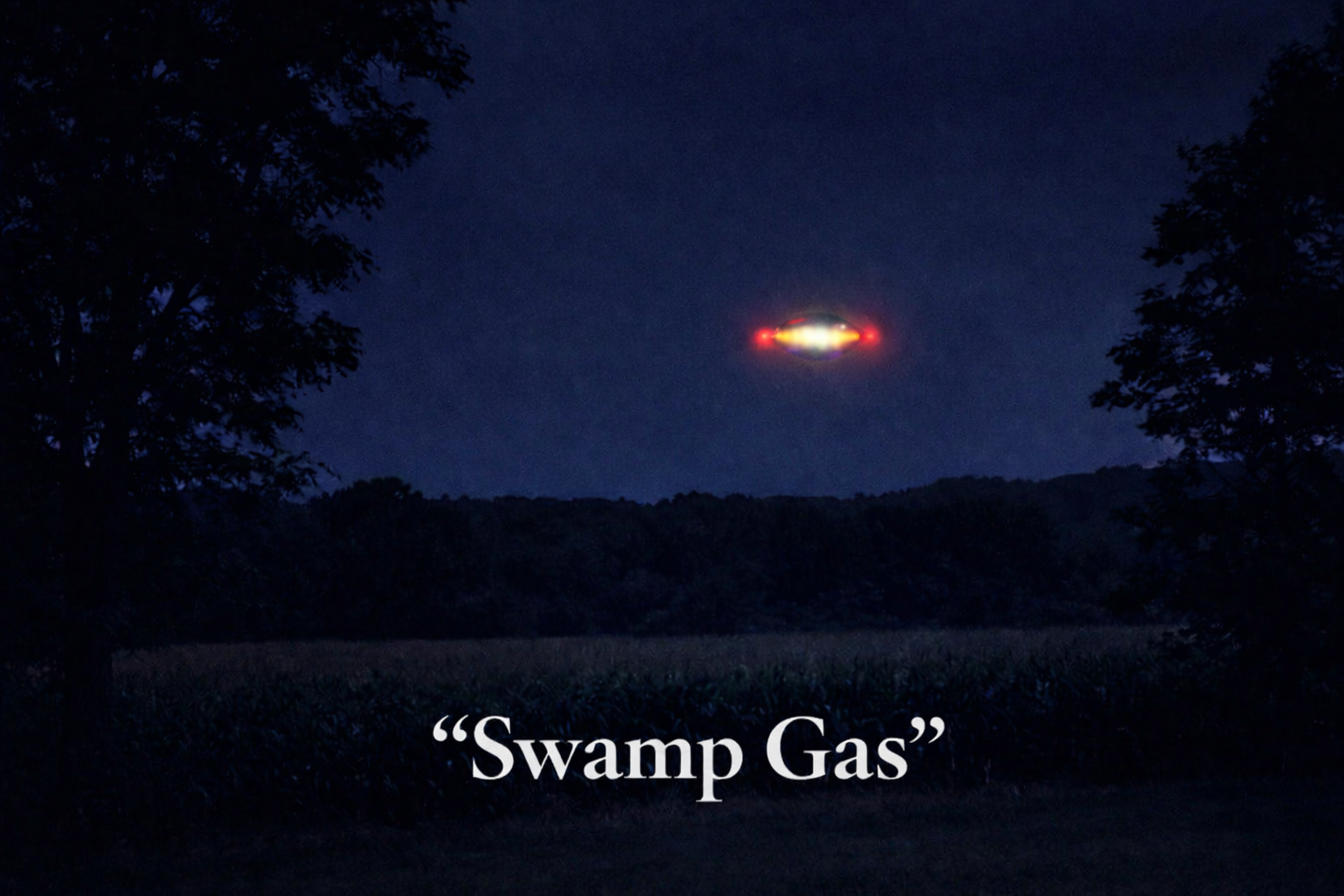
Michigan UFO Flap was way more than what it is remembered for...
The Michigan UFO Flap and the Birth of “Swamp Gas”