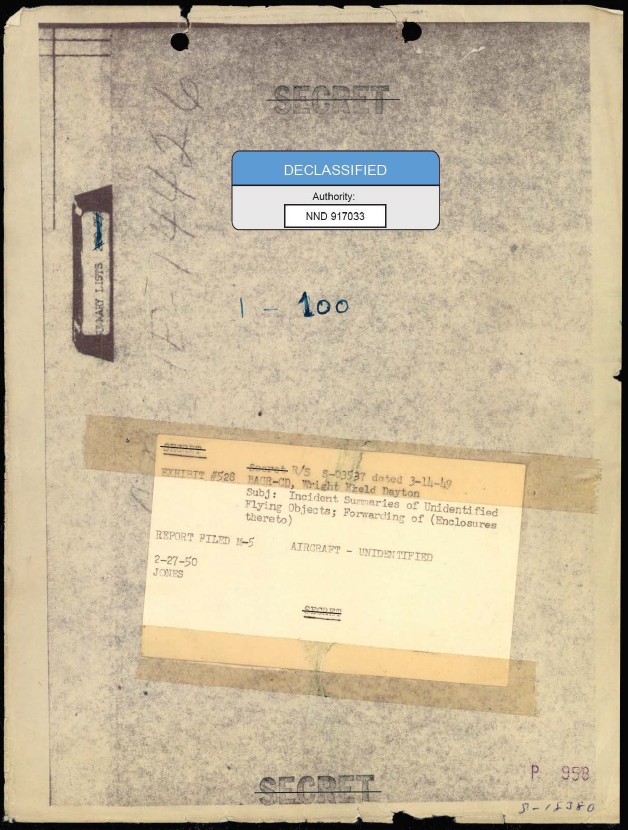
This released document records that witnesses stated that the objects were not weather balloons. The file preserves the source account or analysis but does not independently establish interpretations beyond the cited record. This document is useful as an officially released artifact because it preserves the file's provenance and lets its claims be compared with related Release 03 records.

Fort Knox
LocationFort Knox
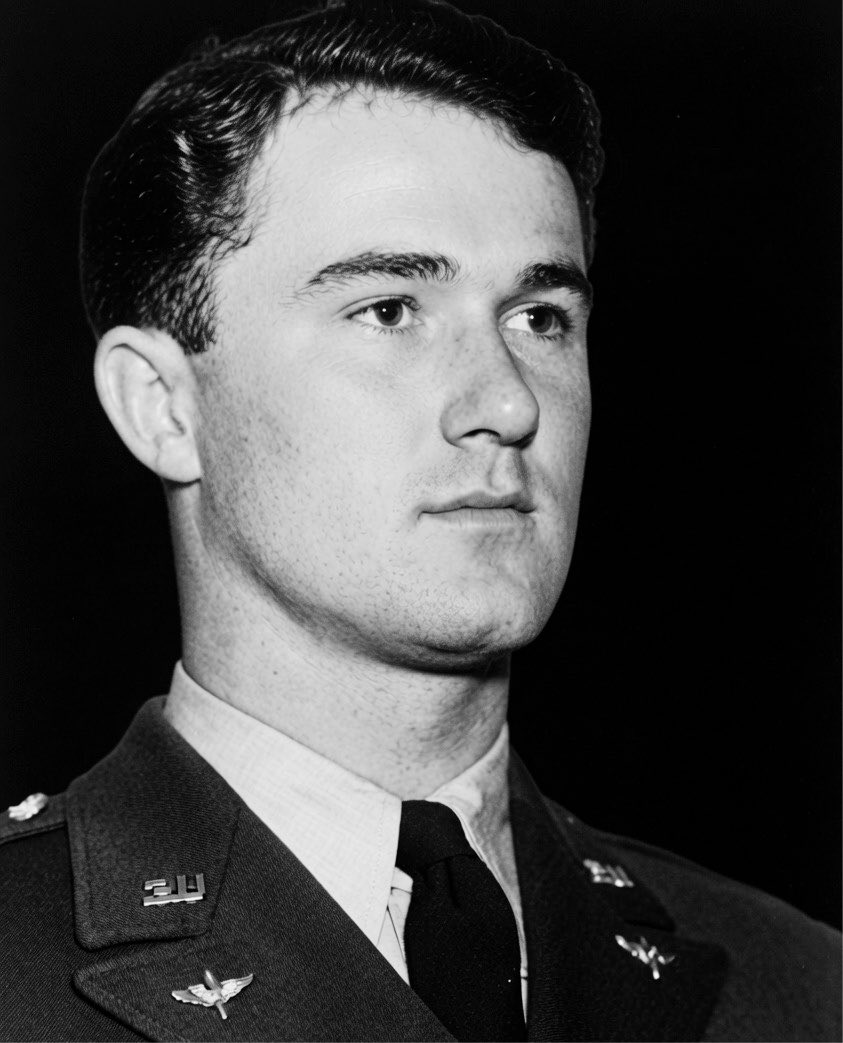
LocationPart 22 of a series reassessing the documentary record behind the 1933 Magenta narrative. TL;DR On January 7, 1948, Captain Thomas Mantell died after climbing toward an unidentified object over Kentucky. The accident investigation attributed the crash to oxygen deprivation, loss of control and an airborne breakup. Godman Field observers described a bright white object, sometimes cone-shaped or parachute-like. Accounts of Mantell’s radio transmissions differ; no authenticated recording has bee...
If you’re familiar with the January 1948 Captain Thomas Mantell case involving the death of Mantell as a result of “flying too high” while chasing an anomalous flying object over Fort Knox, KY, then you know that that’s probably the redacted version of the story. What might have really happened is outlined in the document that @richgel999 has uncovered. It’s from an alleged eyewitness who was told not to speak up about the reality of what was seen. Some key bits from the document, especially...

The British Flying Saucer Working Party’s June 1951 report reviews Scandinavian and American reports, Project Sign and Project Grudge, and three British service sightings from 1950. It attributes the observations to conventional phenomena, misidentification, illusions, psychological effects or hoaxes and recommends no further investigation without material evidence. Its appendices propose radar interference at Wartling and recount Wing Commander Formby identifying an apparent disc as an ordinary aircraft. These are the committee’s historical judgments. The seven-page scan includes a distributor cover, the report cover, and five numbered report pages; the original SECRET marking does not describe the public scan’s current accessibility.

