USS Nimitz
TopicUSS Nimitz
TopicUSS Nimitz is the lead ship of the U.S. Navy’s Nimitz-class nuclear-powered aircraft carriers and the carrier associated with the 2004 Tic Tac encounter.
USS Nimitz is the lead ship of the U.S. Navy’s Nimitz-class nuclear-powered aircraft carriers and the carrier associated with the 2004 Tic Tac encounter.


USS Nimitz (CVN-68) is the lead ship of the U.S. Navy’s Nimitz-class nuclear-powered aircraft carriers. Commissioned in 1975 and named for Fleet Admiral Chester W. Nimitz, the carrier has supported operations across the Mediterranean, Indian Ocean, Persian Gulf, and Pacific. Its mission is to conduct and coordinate carrier air warfare with an embarked air wing.
Nimitz is a ship and command, not a conventional membership organization, despite this record’s entity type. Thousands of sailors, aviators, maintainers, intelligence personnel, and air-traffic specialists operate through the carrier strike group. Records can therefore originate with the ship, its air wing, an escort, a shore command, or another unit without being interchangeable. A carrier does not operate alone. During deployment it serves within a strike group that includes surface escorts and may coordinate with submarines, shore commands, and airborne surveillance. The embarked air wing is a separate command composed of multiple squadrons. This layered structure explains why logs and testimony from the same day can carry different unit names without describing different incidents.
The carrier is central to the 2004 USS Nimitz Tic Tac Encounter. The incident involved radar observations associated with USS Princeton and visual observations by Navy aviators operating from Nimitz, followed by infrared footage from a later flight. The ship’s name is shorthand for the event, but careful reconstruction must preserve which platform and crew produced each observation.
Nimitz matters in the public record as the operational hub that connects witnesses, aircraft, sensors, and command reporting in a landmark UAP case. Its long service history is context, not evidence about the object’s identity. Strong analysis follows the timeline and custody of each record rather than attributing every datum to the carrier itself.

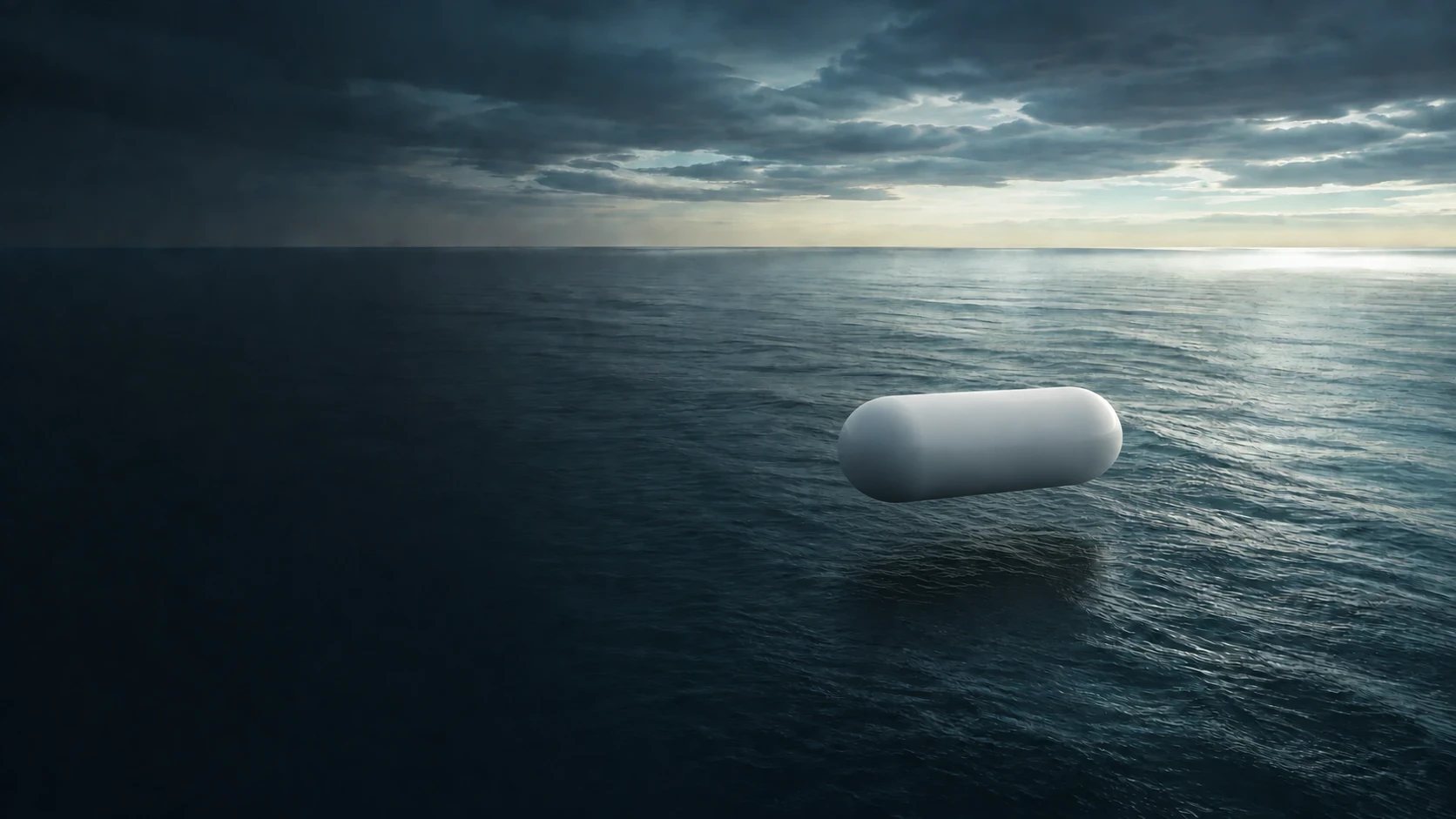
[Retweeted] Fravor descended to get a closer look at the object. It started climbing toward him. That was the 2004 Nimitz intercept - a white, wingless Tic Tac over churned water, then gone. We used Fravor’s public testimony to build a scene you can move through. The video is a slice of it. https://t.co/YP0ugVMTT2


[Retweeted] Fravor descended to get a closer look at the object. It started climbing toward him. That was the 2004 Nimitz intercept - a white, wingless Tic Tac over churned water, then gone. We used Fravor’s public testimony to build a scene you can move through. The video is a slice of it. https://t.co/YP0ugVMTT2

[Retweeted] Fravor descended to get a closer look at the object. It started climbing toward him. That was the 2004 Nimitz intercept - a white, wingless Tic Tac over churned water, then gone. We used Fravor’s public testimony to build a scene you can move through. The video is a slice of it. https://t.co/YP0ugVMTT2

[Retweeted] Fravor descended to get a closer look at the object. It started climbing toward him. That was the 2004 Nimitz intercept - a white, wingless Tic Tac over churned water, then gone. We used Fravor’s public testimony to build a scene you can move through. The video is a slice of it. https://t.co/YP0ugVMTT2

What if some of the best evidence for UFO encounters isn’t in radar data, photos or video, but Inside the Human Body? (I think this is some of the most important evidence in the UAP/UFO field, and yet, when I've shared posts about it in the past, nobody wants to discuss it. Baffling.) Vallée:"The pilot comes back telling a story of like happened with the Nimitz. Do they draw blood from that, from him or her? Do they look at the factors in the blood? There are factors that will remember an exp...


Physicist, former NASA researcher takes UAP seriously | Reality Check
Ross Coulthart speaks with physicist and professor Kevin Knuth, as they dive into Knuth's anomalous experiences, the Nimitz Tic-Tac and the new UAP Science Advisory Council.


2004. Law enforcement helicopter FLIR footage of a UFO. 🚁👇 Same year and ~150 miles from the USS Nimitz Tic Tac incident. I’m sure it’s something prosaic. I just can’t think what it could be. #FLIR #Aviation #Unexplained https://t.co/TDsm4ODHCY [Quoted] Long Beach police helicopter. FLIR captures a #UAP over the ocean. Is it shedding… or spawning? Same year as the 2004 Nimitz Tic Tac encounter. Same body of water. The camera never looks away. Neither should you. https://t.co/Oi8188lPtq

Long Beach police helicopter. FLIR captures a #UAP over the ocean. Is it shedding… or spawning? Same year as the 2004 Nimitz Tic Tac encounter. Same body of water. The camera never looks away. Neither should you. https://t.co/Oi8188lPtq

Source: Aug 6th article: https://time.com/article/2026/08/06/america-taking-extraterrestrials-seriously/ What used to be called UFOs and now go by the more decorous handle of UAPs—or unidentified anomalous phenomena—are being given the full investigatory treatment.

Note: This is an updated version 2. Special thanks to u/ASearchingLibrarian for pointing out some corrections and providing new information I had not previously heard. Note: Compared to the Nimitz incident, this info graphic was more challenging to create as there are less details provided regarding the locations of the objects and radar contacts. I did my best to put these on the map, but they’re definitely could be some updates if more information is discovered. This info graphic is intende...

