Vasco TEAM
OrgVasco TEAM
Org



RT @DrBeaVillarroel: Dear everyone, Some new and very exciting news from the VASCO team! First, our machine-learning paper has been accepte…

RT @DrBeaVillarroel: Dear everyone, Some new and very exciting news from the VASCO team! First, our machine-learning paper has been accepte…

RT @DrBeaVillarroel: Dear everyone, Some new and very exciting news from the VASCO team! First, our machine-learning paper has been accepte…

Dear everyone, Some new and very exciting news from the VASCO team! First, our machine-learning paper has been accepted for publication following peer review and is now in press. In this paper, we used machine learning to address some of the criticism concerning plate defects and remove contaminants from the sample. We demonstrate that all the intriguing correlations become even stronger as the sample becomes cleaner. More on this once the final version is published. Second, we have two new p...

RT @DrBeaVillarroel: Super honored to hear Jesse Michels discuss the VASCO team’s research on Joe Rogan. https://t.co/UIJYpqH80Z @America…

Super honored to hear Jesse Michels discuss the VASCO team’s research on Joe Rogan. https://t.co/UIJYpqH80Z @AmericanALCHMY


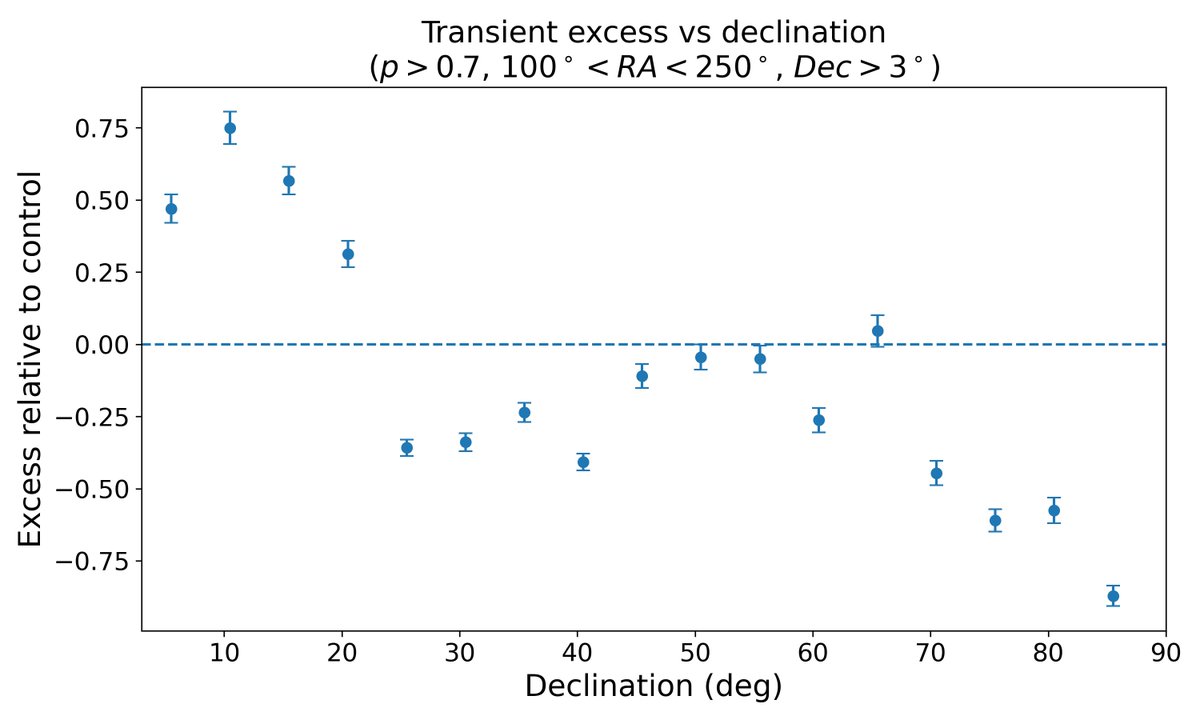
RT @DrBeaVillarroel: Glad to share a freshly submitted paper (now under peer review) from the VASCO team, led by Prof. Steve Bruehl. We use…

RT @DrBeaVillarroel: Glad to share a freshly submitted paper (now under peer review) from the VASCO team, led by Prof. Steve Bruehl. We use…
RT @DrBeaVillarroel: Glad to share a freshly submitted paper (now under peer review) from the VASCO team, led by Prof. Steve Bruehl. We use…
RT @DrBeaVillarroel: Glad to share a freshly submitted paper (now under peer review) from the VASCO team, led by Prof. Steve Bruehl. We use…