Steve Colbern
PersonSteve Colbern
PersonSteve Colbern is an experiencer and researcher who reports alien-abduction events, alleged implants, and long-term contact beginning in childhood.
Steve Colbern is an experiencer and researcher who reports alien-abduction events, alleged implants, and long-term contact beginning in childhood.
Steve Colbern is an American experiencer, author, and researcher whose public work centers on alleged alien abduction and physical evidence associated with contact. He has described encounters beginning in childhood and later became involved in examining objects presented as possible implants removed from experiencers.
Colbern has presented himself as both a participant in extraordinary experiences and an investigator trying to understand their physical traces. He has described a lifetime of encounters, missing-time episodes, and objects he interprets as implants, then used interviews and written accounts to connect those events into a continuous personal history. That dual role makes his biography difficult to separate from the claims: the same experiences that motivate the research also shape the framework through which he interprets reported materials and bodily effects.
Colbern’s accounts include missing time, medical procedures, non-human beings, and continuing interaction. He has discussed laboratory examination of alleged implants and has collaborated with figures in the contact and abduction research community. Publicly available analyses have not established that such objects are manufactured by non-human intelligence; ordinary material origin, contamination, and chain of custody remain central questions.
Public appearances often place Colbern alongside other experiencers, where common motifs are compared across separate lives. That community role reinforces his interpretation that the encounters form a larger program rather than isolated episodes. It also means his later identity has been shaped by relationships created through the attempt to explain experiences first described as private and frightening.
Colbern is a first-person source in abduction and contact and UAP materials analysis. His biography is defined by the experience he reports and the research path it motivated. Treating him respectfully does not require treating the interpretation as settled. The useful record is the sequence of testimony, procedures, samples, and published analyses that can be examined independently.

Steve Colbern was the principal lab analyst for the late alien implant researcher Dr. Roger Leir. Colbern continues working in this area, and Colbern himself had a mysterious animal experience before his own ET experience. Colbern's experience involved "giant raccoons." Kinda https://t.co/JiST6LmrWd


Gravity might not be what you think it is... Steve Colbern says zero point energy gets converted into real energy inside the cores of planets and stars. That process creates a partial vacuum in the ether. The ether accelerates toward the gravitating body and that acceleration https://t.co/n5NofwgUW1
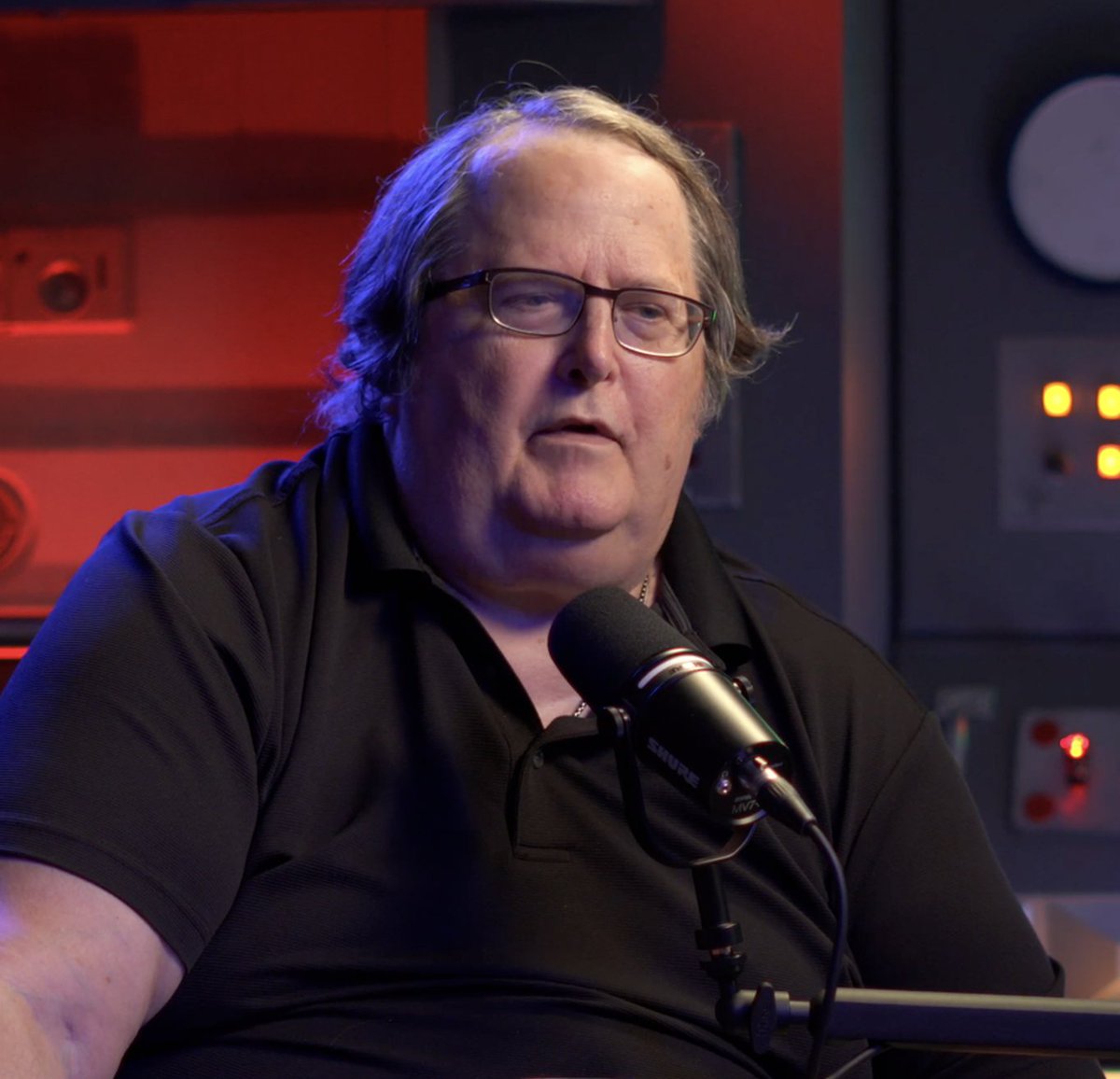
RT @AmericanALCHMY: "The entire craft is a capacitor!" Steve Colbern is an abductee who says the beings told him how their ship works. The…

"The entire craft is a capacitor!" Steve Colbern is an abductee who says the beings told him how their ship works. They rapidly charge a capacitor and produce thrust toward the positive pole. That's called the Biefeld-Brown effect! The top and bottom of the craft act as the https://t.co/kc3k3KhnaF

RT @AmericanALCHMY: Steve Colbern out now for members. Public release tomorrow Sunday March 22 2PM EST
RT @AmericanALCHMY: "Star Trek got it right!" Steve Colbern describes being woken up by gray beings, walked outside, and lifted into a 50…

RT @AmericanALCHMY: "Star Trek got it right!" Steve Colbern describes being woken up by gray beings, walked outside, and lifted into a 50…
"Star Trek got it right!" Steve Colbern describes being woken up by gray beings, walked outside, and lifted into a 50-foot craft by a blue-green tractor beam. A craft he says is eerily similar to Bob Lazar's Sport Model. Episode out now for members. Public release tomorrow https://t.co/97DeSdvM2g
RT @AmericanALCHMY: Steve Colbern out now for members. Public release tomorrow Sunday March 22 2PM EST
Steve Colbern out now for members. Public release tomorrow Sunday March 22 2PM EST https://t.co/K9BpBrMrsZ [Quoted] A scientist cut an alleged alien implant out of his own toe! Inside was meteoric iron, nerve cells fused to the device, and isotope ratios in boron and copper that don't match anything on Earth. The body produced zero immune response. Any foreign object in the human body https://t.co/fKxpWjSQ9m

