Probed ingest of: #4 THE MAN WHO CRIED HIMSELF TO SLEEP — Sound, Light & Frequency
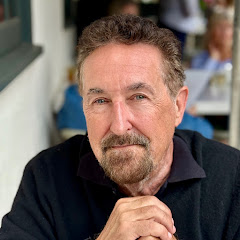
Brent Friedman tells the story of a 1981 conversation with an older family friend connected to the Reagan orbit, while Bryce Zabel uses Hangar 18 as the portal into secrecy, crashed-craft cinema, and claims that truth can be shared precisely because it sounds unbelievable. The episode is personal, contested, and central to the show's origin mythology.
EPISODE ASSESSMENT
The episode centers Brent Friedman's 1981 private-disclosure story and uses Hangar 18 to explore why unbelievable UFO claims can travel through fiction.
- 1.Brent's account is emotionally central to the series but rests on personal recollection and an unnamed or lightly identified source rather than public documentation.
- 2.Hangar 18 gives the hosts a film-language bridge into crash retrieval, presidential secrecy, and the idea that Hollywood may rehearse claims before institutions admit them.
- 3.The episode makes disbelief part of the mechanism: a claim can be spoken because its improbability protects the speaker.
- 4.The story connects Brent's private experience to Dark Skies, making the show's origin partly personal and partly media-historical.
This installment explains why Brent approaches the phenomenon as an experiencer-adjacent storyteller rather than only a screenwriter analyzing movies.
The film and production context are public; Brent's 1981 account remains a single-witness recollection in the episode.
- 1.Can the family friend and the exact setting of the 1981 conversation be independently documented?
- 2.Which details from the alleged briefing later appeared in Brent's fiction or public UFO lore?
- 3.How should researchers separate emotional sincerity from evidentiary confirmation in old personal testimony?
This summarizes the episode; stories and claims remain attributed to the source. Reviewed and edited by an editor.
Other episodes an editor has grouped into this series.
- Probed ingest of: #34 THE HERRINGTON DENIAL — Sound, Light & Frequency
Bryce Zabel and Brent Friedman respond to John Herrington’s denial of Friedman’s alleged 1981 alien disclosure, setting the recorded denial beside family photographs and Friedman’s recollections. Their discussion expands into intelligence secrecy, David Grusch’s recent claims, the Formula, and Steven Spielberg’s family history.
2026 - Probed ingest of: #20 MISSING TIME IT WAS — Sound, Light & Frequency
The episode maps abduction memory through the Hill and Walton cases and asks how Hollywood changes what witnesses and audiences think they remember.
2026 - Probed ingest of: #19 THE HOLLYWOOD/UFOS CASE SO FAR — Sound, Light & Frequency
The episode is a midseason map of the Hollywood/UFO thesis, recapping the cases, films, and personal claims introduced so far.
2026 - Probed ingest of: #18 DISCLOSURE DAY ("Listen.") — Sound, Light & Frequency
The episode reads Disclosure Day as a mainstream Spielberg UFO event that opens questions more than it settles them.
2026
Source Claims
6- Source reportedUnverified
Brent says an older family friend with high-level government access privately told him extraordinary UFO claims in 1981.
- Source reportedAsserted
The episode frames the conversation as emotionally disturbing for Brent and as one reason UFO secrecy became a lifelong concern for him.
- InterpretationAsserted
Bryce and Brent use Hangar 18 to discuss how crash retrieval, cover-up, and presidential secrecy entered low-budget cinema before the wider culture took them seriously.
- InterpretationUnverified
The episode suggests that unbelievable claims can sometimes be safely disclosed because listeners assume no one would believe them.
- InterpretationAsserted
The hosts connect Brent's 1981 story to the later creation of Dark Skies and to the podcast's larger Hollywood/UFO thesis.
Structure Across Time
How the key people and organizations in this source are involved as events unfold. Built from the extracted timeline — co-appearance here reflects the source’s narrative, not verified coordination.
The Man Who Cried Himself to Sleep episode published
The episode makes Brent's long-held story public in fuller form.
Dark Skies development begins
The hosts connect Brent's old story to the later Dark Skies concept.
Brent says he received a private UFO disclosure
Brent Friedman says a family friend in the Reagan orbit told him claims that stayed with him for decades.
Hangar 18 released
The film provides the episode's portal into crash retrievals and government cover-up cinema.
RELATED ENTITIES
(8)

Referenced Material
3Research Map
Entities are linked when they share a claim or a dated event in this source. Tap any node to see why it’s here.
Deep probes
20Probed ingest of: #34 THE HERRINGTON DENIAL — Sound, Light & Frequency
Stellar Productions · 5d agoProbed ingest of: #20 MISSING TIME IT WAS — Sound, Light & Frequency
Stellar Productions · Jul 6Probed ingest of: #19 THE HOLLYWOOD/UFOS CASE SO FAR — Sound, Light & Frequency
Stellar Productions · Jun 29Probed ingest of: #18 DISCLOSURE DAY ("Listen.") — Sound, Light & Frequency
Stellar Productions · Jun 19Probed ingest of: #17 WAR OF THE WORLDS — Sound, Light & Frequency
Stellar Productions · Jun 14Probed ingest of: #16 DEAL OR NO DEAL — Sound, Light & Frequency
Stellar Productions · Jun 6Probed ingest of: #15 CEMETERY AT MIDNIGHT — Sound, Light & Frequency
Stellar Productions · May 28Probed ingest of: #14 BURN THE NEGATIVE — Sound, Light & Frequency
Stellar Productions · May 23