
Sound, Light & Frequency
OrgPodcastSound, Light & Frequency
OrgPodcastSound, Light & Frequency is Bryce Zabel and Brent Friedman’s documentary podcast examining how Hollywood, government, and UFO narratives have influenced one another.
Sound, Light & Frequency is Bryce Zabel and Brent Friedman’s documentary podcast examining how Hollywood, government, and UFO narratives have influenced one another.
 Brent Friedman
Sound, Light & Frequency is a documentary podcast hosted by television writers and producers Bryce Zabel and Brent Friedman. Distributed through iHeartMedia and produced with Stellar Productions, the series examines the historical relationship among UFO stories, Hollywood entertainment, official secrecy, and changing public expectations. Its title comes from an encounter the hosts describe from the 1990s, which serves as an entry point rather than independently verified proof of a government program.
The planned multi-episode narrative draws on the hosts’ careers, film and television history, interviews, archival material, and analysis of recurring alien-contact themes. Episodes examine specific works and creators while asking whether entertainment merely reflects public fascination, helps people imagine new possibilities, or has at times intersected with deliberate official messaging. Those possibilities are distinct and require different evidence.
The show sits within Hollywood and UAP, covering productions such as Dark Skies, Close Encounters, The Man Who Fell to Earth, and newer disclosure-themed films. Zabel’s longer involvement in UFO media and policy debate gives the series access to participants who cross entertainment and advocacy. Personal recollection and thematic similarity can illuminate culture without demonstrating coordination by an intelligence agency.
Sound, Light & Frequency’s contribution is to treat media history as an institutional subject rather than decorative background. It can trace how images, phrases, and expectations migrate between official events and popular storytelling over decades. The project is strongest when it dates those exchanges, distinguishes documented consultation from inference, and allows cultural influence to remain important even when a more sweeping claim about managed UAP disclosure cannot be established. Its serialized structure also allows later episodes to correct or complicate an interpretation introduced earlier in the project.

This is a response to the Jesse Michels interview with John Herrington which aired this week, link for that: Jesse called Brent after this interview, that call is included. The Disagreement Friedman claimed that he grew up living next door to John Herrington. He says between age 6-12, Herrington was like a father figure to him, teaching him football and spending a lot of time with him. Herrington is 22 years older than Friedman. When Friedman was 18...
Probed ingest of: #34 THE HERRINGTON DENIAL — Sound, Light & Frequency

Probed ingest of: I Confront The Secretary of Energy On UFOs
Bryce Zabel Reveals "Secret of the Universe" Formula For First Time

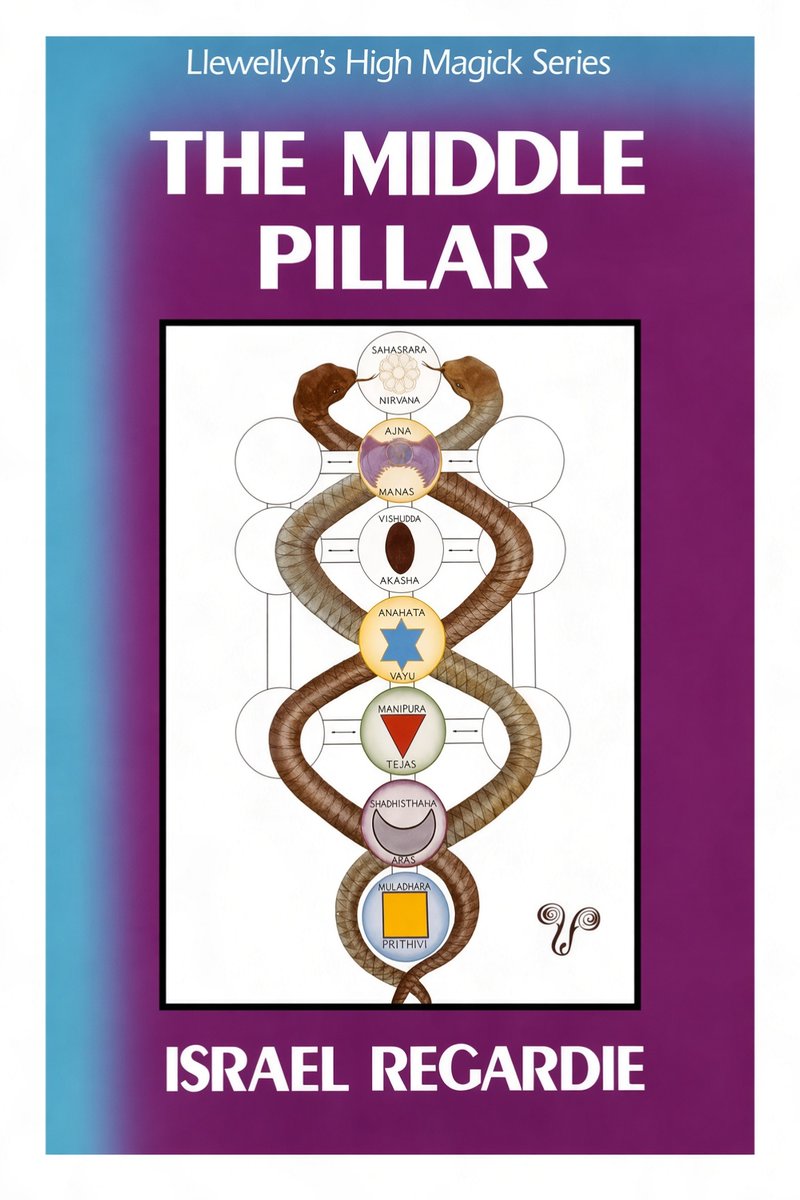
While hunting for any deeper insights into the legendary napkin formula that was shared on Sound Light and Frequency, I found a book entitled The Middle Pillar written by Isreal Regardie. Rather than looking at the symbols individually and trying to assign separate meanings to each one, they make more sense as being part of a single esoteric system describing the ascent of consciousness through a sequence of energetic centers. In yogic terminology, the lower symbols correspond closely to the...
For nearly 30 years, the creators of Dark Skies have told the same bizarre story: At the show’s 1996 premiere, a man claiming to be with Naval Intelligence allegedly approached them, said they had gotten uncomfortably close to the truth, and drew something on a bank envelope tied to “sound, light and frequency.” They kept the envelope. Today, they finally release it. Now the story can be judged on the artifact itself instead of the mythology surrounding it. Link in the comments. #ufox #ufotwi...
