U.s. Coast Guard

Org
0
Mentions (30d)
0
Active Signals
2
Sources
6
Co-mentions
Source material mix
Video2Official doc1
Probed Analysis

The U.S. Coast Guard is a branch of the United States armed forces charged with maritime safety, security, and environmental protection. It operates under the Department of Homeland Security during peacetime but can be transferred to the Department of the Navy by presidential order or Congress during wartime. Its jurisdiction spans coastal waters, ports, and waterways, where it enforces laws, conducts search and rescue, combats smuggling, and ensures navigational safety.

The Coast Guard is unique among military services for its dual roles in national defense and civil government. Its missions overlap those of other agencies—customs enforcement, pollution response, and maritime law—and its capabilities span cutters, aircraft, small boats, and specialized units. The institution matters because it serves as frontline enforcement in U.S. territorial waters and global maritime operations; its decisions affect shipping, immigration, environmental safety, and national security.

The organization maintains a structure of operational sectors and area commands. It is led by the Commandant, a high-ranking uniformed officer appointed by the President and confirmed by the Senate. Personnel include active duty, reservists, and the Coast Guard Auxiliary, which supports many non-combatant missions. Its funding comes from federal appropriations, supplemented by surcharges and operational reimbursements for certain services.

Among its core mission areas are:

  • Maritime law enforcement (including drug interdiction and contraband control)
  • Search and rescue in U.S. coastal and inland waterways
  • Marine environmental protection and response to pollution incidents
  • Aids to navigation (buoys, lighthouses, electronic systems) and vessel safety inspections

There are evolving pressures shaping the Coast Guard’s role. Rising climate changes—sea level rise, melting polar ice—expand operational areas and hazards. Increasing migration and illicit trafficking by sea stress its interdiction and humanitarian capacities. Advances in maritime technology raise questions about surveillance, domain awareness, and cybersecurity.

How it adapts to budget constraints, interagency partnerships, and technological modernization will define its future posture.

Filters
Time Range
govMay 22

DOW-UAP-PR065, "USCG C-144 Tyndall UAP 2 TIC TAC IR hot 24 April 2024"

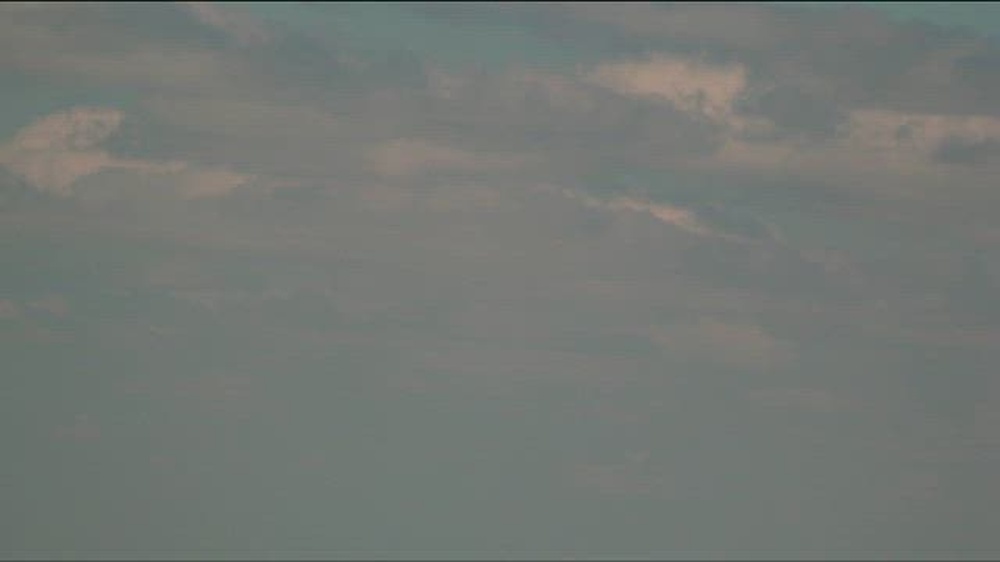
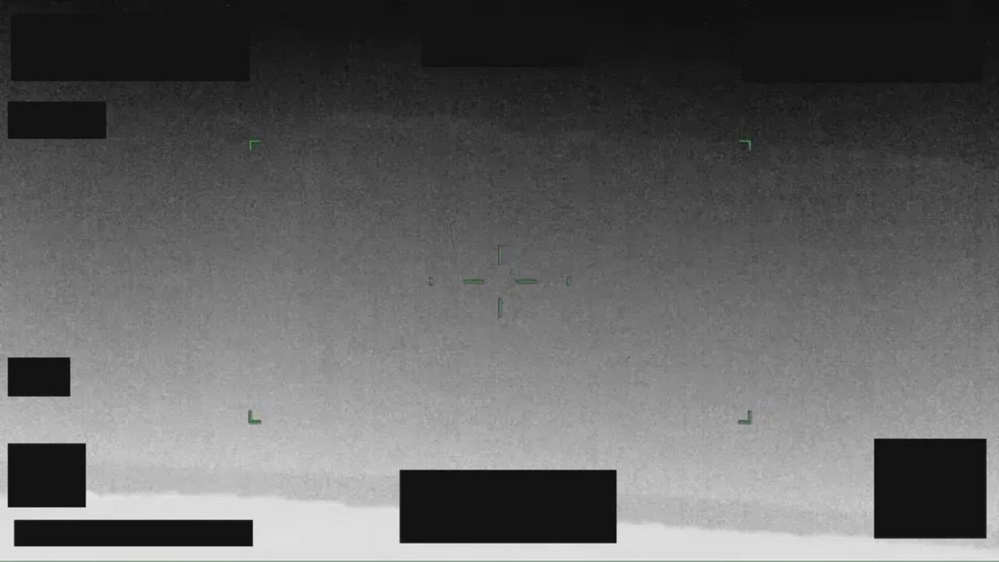
On March 6, 2026, eight members of the U.S. House of Representatives requested access to 51 potentially UAP-related records allegedly held by the Department of War and the Intelligence Community. The All-domain Anomaly Resolution Office (AARO) identified a collection of responsive materials held on a classified network. Many of these materials lack a substantiated chain-of-custody. AARO assesses that this video, whose uploader-defined title is, “USCG C-144 Tyndall UAP 2 TIC TAC IR hot 24 April 2024,” is likely derived from an infrared sensor aboard a U.S. Coast Guard platform operating in the Southeastern United States in 2024. A user uploaded this video to a classified network in June 2024. Video Duration: 00:00:38 Video Description: 00:00-00:32: A sensor pans to keep an area of contrast in its field-of-view. 00:33: The sensor pans to the left causing the area of contrast to leave the field-of-view on the right side of the frame. This video description is provided for informational purposes only. Readers should not interpret any part of this description as reflecting an analytical judgment, investigative conclusion, or factual determination regarding the described event’s validity, nature, or significance.

govMay 22

DOW-UAP-PR066, "USCG C-144 Tyndall UAP 1 TIC TAC IR hot 24 April 2024"

On March 6, 2026, eight members of the U.S. House of Representatives requested access to 51 potentially UAP-related records allegedly held by the Department of War and the Intelligence Community. The All-domain Anomaly Resolution Office (AARO) identified a collection of responsive materials held on a classified network. Many of these materials lack a substantiated chain-of-custody. AARO assesses that this video, whose uploader-defined title is, “USCG C-144 Tyndall UAP 1 TIC TAC IR hot 24 April 2024,” is likely derived from an infrared sensor aboard a U.S. Coast Guard platform operating in the Southeastern United States in 2024. A user uploaded this video to a classified network in June 2024. Video Duration: 00:00:48 Video Description: 00:09-00:15: An area of contrast appears from the upper right side of the screen. The sensor does not pan to track the area of contrast, causing it to leave the field-of-view on the left side of the frame. 00:33-00:48: An area of contrast enters the field-of-view from the lower right side of the screen and leaves the field-of-view on the lower left side of the screen. The sensor pans to the left, but is unable to track the area of contrast. This video description is provided for informational purposes only. Readers should not interpret any part of this description as reflecting an analytical judgment, investigative conclusion, or factual determination regarding the described event’s validity, nature, or significance.

mediaNov 12

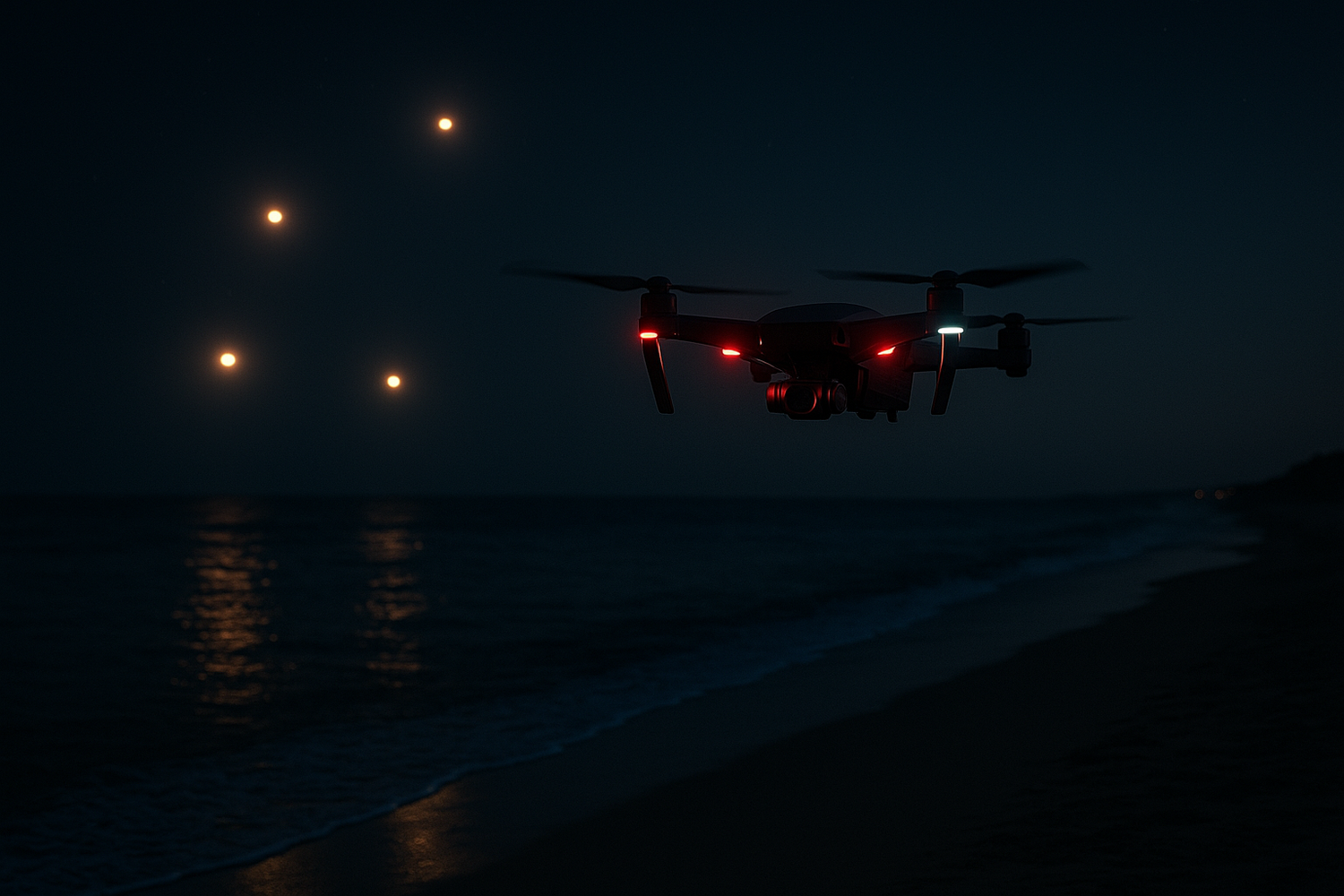
Exclusive: Drone Videos Sent to Coast Guard During 2024 New Jersey Wave Go Public

Video footage submitted to the U.S. Coast Guard during the height of the New Jersey drone incursions in December 2024 — and referenced in documents obtained through the Freedom of Information Act — has been obtained by Liberation Times.

Liberation Times
Mention Velocity
30d agoToday
Source Mix
3items
War.gov PURSUE2
Liberation Times1
Related Signals
0