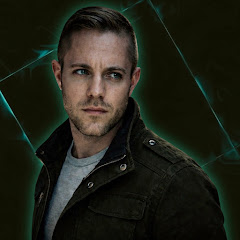
Ryan Sprague
PersonPodcasterRyan Sprague
PersonPodcasterRyan Sprague is an author, playwright, and host of Somewhere in the Skies, documenting UFO witnesses, experiencers, researchers, and evolving disclosure stories.
Ryan Sprague is an author, playwright, and host of Somewhere in the Skies, documenting UFO witnesses, experiencers, researchers, and evolving disclosure stories.
Ryan Sprague is an American author, playwright, television contributor, and podcast host whose work focuses on UFO reports and the people who experience them. His book Somewhere in the Skies grew from interviews with witnesses and became the title of his long-running podcast and media platform.
Sprague came to the subject through writing and performance, bringing a storyteller’s attention to the way witnesses remember and narrate life-changing events. Somewhere in the Skies developed across books, a podcast, television work, and live appearances, with recurring space for people outside the best-known military cases. His career is built around sustained listening: treating the experience as part of a person’s biography rather than extracting only the most sensational moment for a headline.
Sprague’s work is strongly witness-centered. He records personal accounts, speaks with investigators and historians, and covers current disclosure developments while allowing uncertainty to remain part of the story. He has also collaborated with other creators and appeared in documentary or television projects. The testimony he preserves can be valuable as a primary personal account, although an interview alone does not establish the physical cause of an experience.
Sprague has also used the program to document how cases change when witnesses revisit them years later. Rather than treating inconsistency as automatically disqualifying or meaningless, he lets memory, family response, and public attention become part of the story. That emphasis gives his archive a biographical depth uncommon in incident-centered coverage.
Sprague is part of media coverage of UAP and abduction and contact. His contribution is oral history: giving witnesses enough time to describe context, emotion, and aftermath rather than reducing an event to a sighting summary. That approach makes his archive useful for comparing patterns across experiences while keeping interpretation tied to the person reporting it.