UAS Provisions
TopicUAS Provisions
Topic“UAS provisions” refers to the set of legal, regulatory, policy, or programmatic stipulations that govern Unmanned Aerial Systems (UAS). UAS typically include drones and remotely piloted aircraft; the “provisions” are the rules and structures that determine where, how, and under what conditions they may operate. Its relevance lies in the tension between innovation—commercial, civil, and military—and concerns over safety, privacy, airspace management, and national security. There are verified aspects: many jurisdictions already have UAS provisions embedded in aviation law, requiring registration, pilot certification, airworthiness standards, no-fly zones, and remote identification.
These are documented in federal aviation authorities or civil aviation regulations. For example, limits on altitude, line of sight, and proximity to infrastructure are standard. There are attributed claims: in policy discussions, it is asserted that existing UAS provisions are inconsistent across regions, that enforcement is weak, and that emerging technologies (autonomy, swarming, BVLOS—Beyond Visual Line of Sight operations) strain current frameworks. Some stakeholders argue that provisions lag behind innovation and create barriers to entry; others contend they are necessary for risk mitigation.
Speculative or contested terrain centers on how UAS provisions might evolve. Key unresolved questions include:
- What level of autonomy should be permitted, and under what oversight?
- How will provisions address data privacy and surveillance, particularly when drones are equipped with advanced sensors?
- What mechanisms will enforce remote identification and prevent misuse?
- How will nations harmonize provisions internationally to facilitate cross-border operations or commerce? Because there are no notable signals—no recorded events, publicized conflicts, or landmark cases directly attributed to “UAS provisions” as a named entity—it remains more of a conceptual topic than an actor. Its importance resides in its role as the scaffold for regulatory power over UAS.
The pace and direction of change in UAS provisions will influence commercial opportunity, public safety, airspace security, and civil liberties.
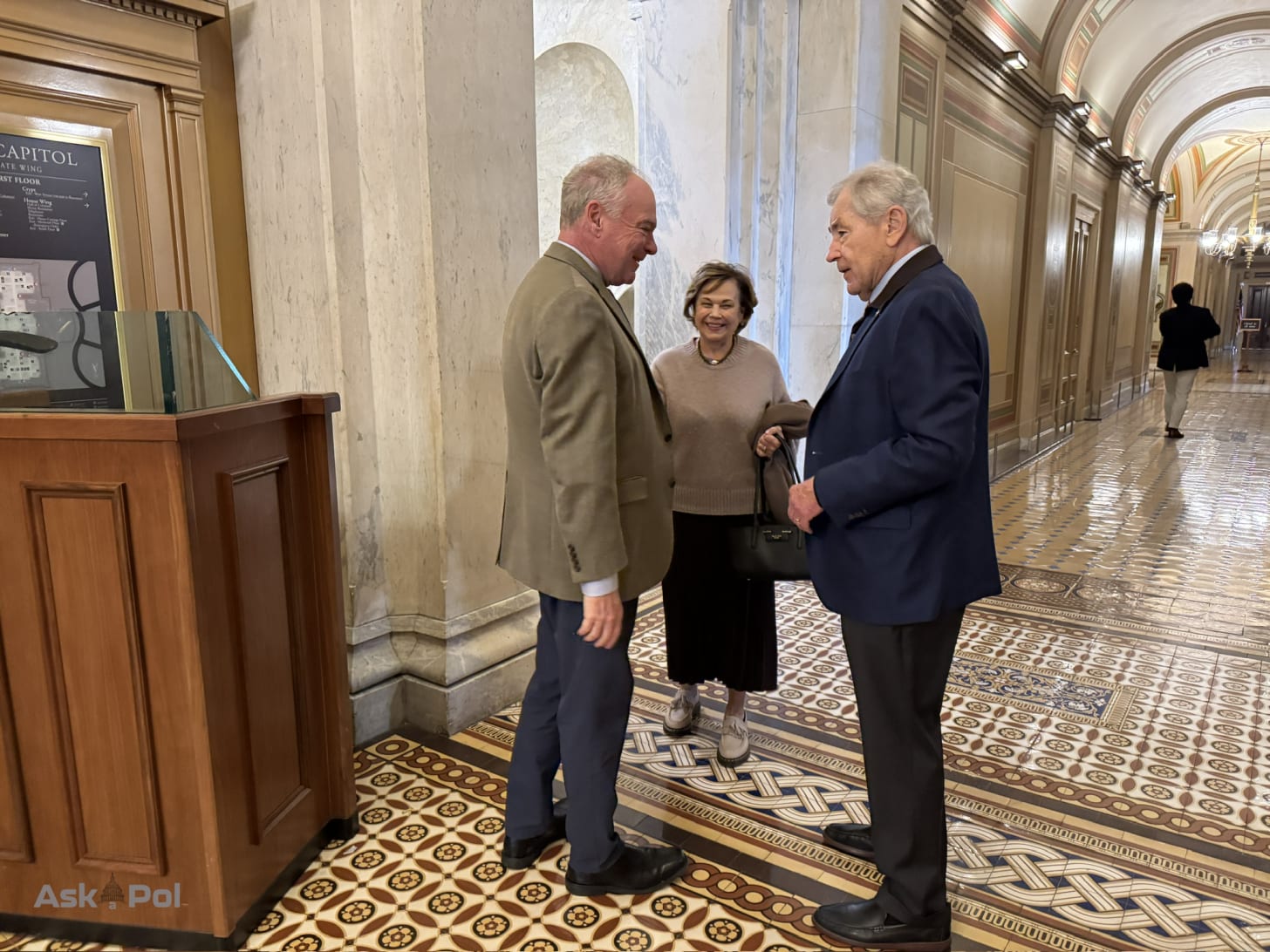
Sen. Tim Kaine: "A lot of UAS provisions" in NDAA address UAP swarms over Langley, et.
Ep. 432 — Sen. Tim Kaine (12-18-2025)