Congressional UAP Request
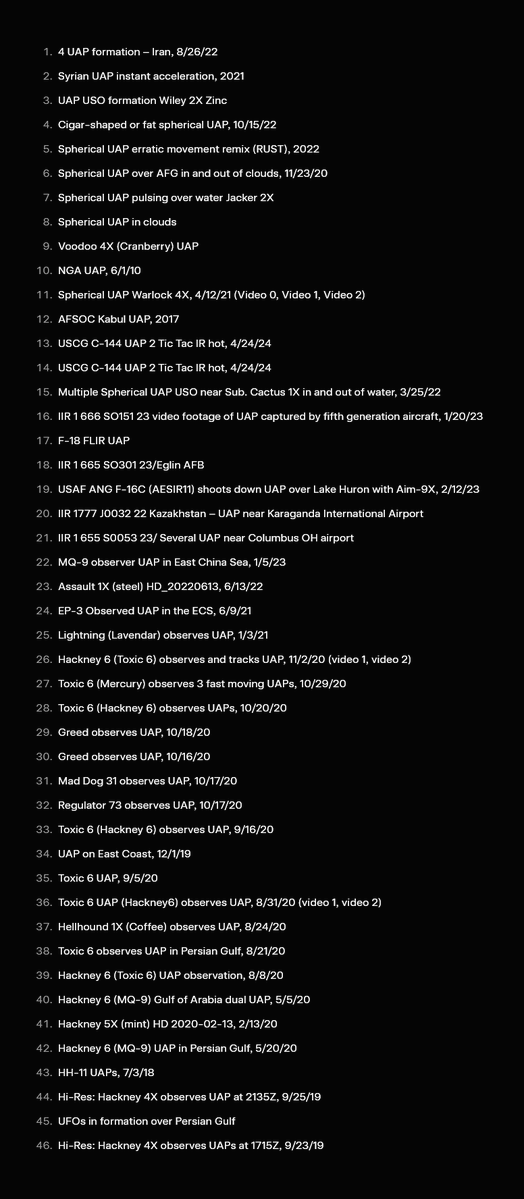
In April 2026, Rep. Anna Paulina Luna pressed the Department of War for 46 UAP videos, testing congressional access to footage.
The Congressional UAP Request refers to an April 2026 push, associated in public discussion with Anna Paulina Luna, for the Department of War to provide or release a set of 46 UAP-related videos. The batch context says the department had a mid-April deadline and that the request became a public pressure point after disclosure advocates and reporters circulated file names, locations, and expectations for release. The event sits alongside the 2026 House UAP Video Request, which frames the same issue as a fight over what Congress can see and what the public can eventually inspect.
The request matters because it turns UAP transparency from a general demand into a concrete records question. Forty-six named videos create a testable target: either the files exist and can be reviewed under lawful conditions, or officials can explain why they cannot be released, are misidentified, or are withheld for classification reasons. That is different from a broad promise to declassify everything. A numbered request lets lawmakers, journalists, and FOIA researchers track compliance.
The strongest public claim in the batch comes from advocacy and media-linked posts, including statements that Jeremy Corbell and George Knapp had supplied Congress with file locations and additional military-filmed UAP assets. That claim should be attributed until documents or committee materials confirm it. John Greenewald, whose work often focuses on FOIA and classification, publicly warned that overclassification could blunt any request by exempting full videos on national-security grounds while releasing only selective material.
What is documented from the available packet is the existence of public discussion around a congressional deadline, a claimed file set, and criticism of classification practice. What is claimed is stronger: that Congress had identified specific videos, that most were known to journalists or advocates, and that the department was withholding more than it needed to. What is disputed is the legal status of the files, their sensor sensitivity, and whether public release would reveal platforms, methods, or operational details.
The request also connects to the Luna UAP Video Request topic because it is a procedural transparency fight. Its importance is not whether any single clip proves an anomaly. The key question is whether elected overseers can force agencies to preserve, brief, and release enough metadata for independent assessment.
Probed read: This is a high-value oversight node but a weakly sourced public event until the underlying letters, deadlines, and agency responses are fully available. It should be written as a request-and-compliance story, not as proof that the videos contain extraordinary objects.
What would move the assessment: The original congressional letter, a complete list of the 46 files, agency response letters, public release logs, classification rationales, and committee follow-up records would move this from advocacy-driven reporting to a stronger oversight file.


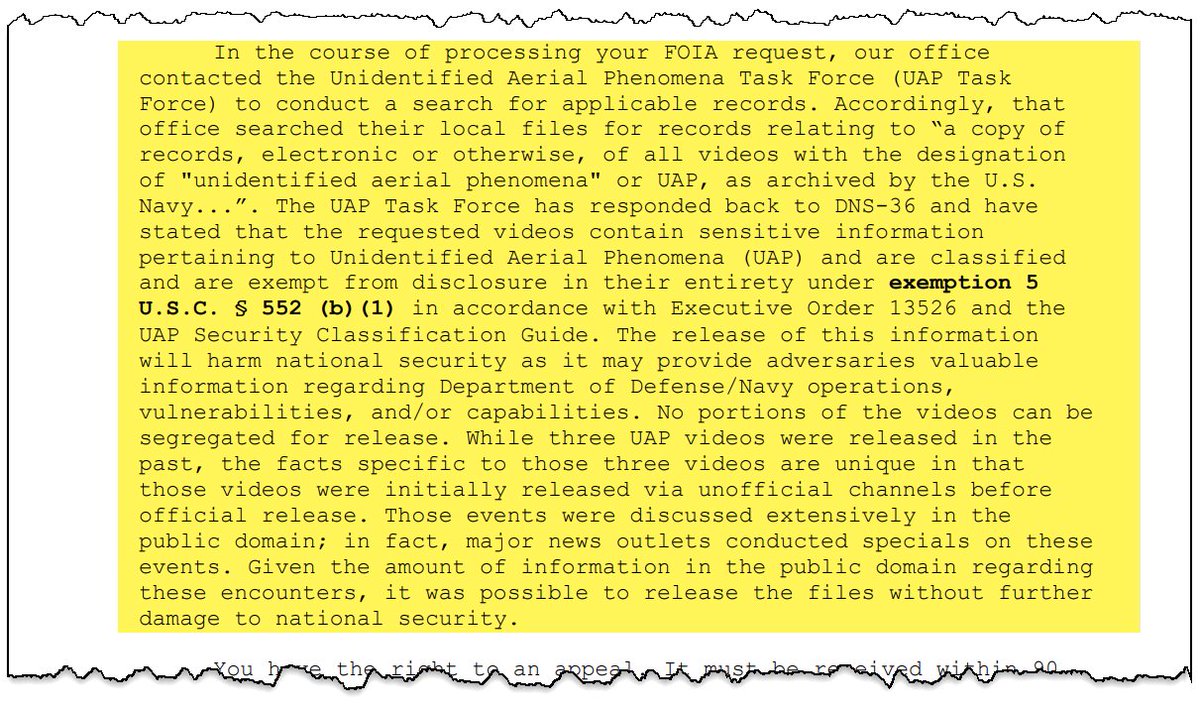
Dear Congressman @RepTimBurchett @timburchett, No Congressional request will trump (pardon the pun) the overclassification the Department of War is putting on UAP material which would allow the public to see them. I have reams of evidence to show they are exempting EVERY UAP video in full in the name of "national security", with the exception of a few they put out giving the false impression of "transparency". The secrecy and overclassification needs to be tackled above all else. Until then,...

Speaking to Liberation Times about the footage, investigative journalist Jeremy Corbell said he was familiar with, and had directly viewed, most of the UAP video files requested by Luna: “I am personally aware of - and have been directly exposed to - the majority of the UAP files referenced in the recent Congressional request. Along with George Knapp, I provided Congress not only with specific file names and their precise locations but also with additional military-filmed UAP assets that are...

The @DeptofWar has until 4/14 to comply with a Congressional request for these 46 UFO videos. https://t.co/6BBxJqKnjX https://t.co/AIj3FtoeEE