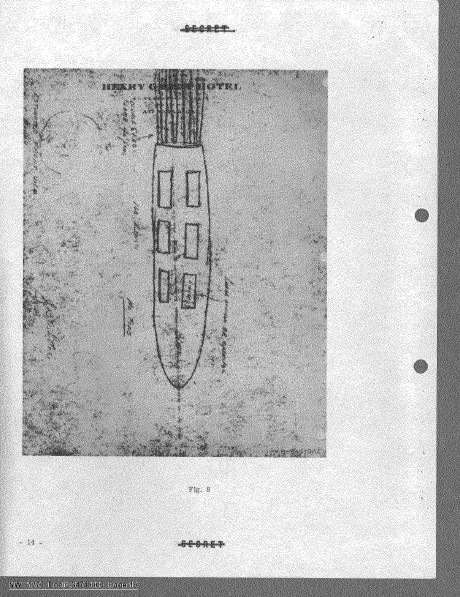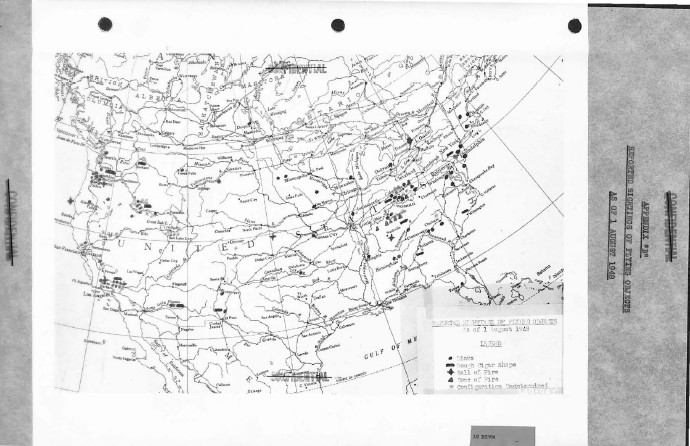
A 1948 Air Intelligence Division draft analyzed recurring flying-object reports, conventional aircraft and foreign-development possibilities, geographic patterns, and selected visual and radar cases while acknowledging that the evidence could not determine a single origin. The document captures an early intelligence attempt to reason across a diverse case set without treating unresolved classification as proof of one technology or origin.

Hokkaido, Japan
LocationHokkaido, Japan
LocationTakeo Kobayashi & UFO Ginza Takeo Kobayashi (小林丈夫) was an architectural designer living in Yakumo Town, Hokkaido. His interest in UFOs reportedly began after he observed one maneuvering above his home. Around 1976, Kobayashi began making regular observations of unusual aerial activity from an elevated area near Yakumo that he called “UFO Ginza.” According to the account, he photographed the skies around Yakumo for years and eventually accumulated tens of thousands of photographs. submitted by...

Takeo Kobayashi & UFO Ginza Takeo Kobayashi (小林丈夫) was an architectural designer living in Yakumo Town, Hokkaido. His interest in UFOs reportedly began after he observed one maneuvering above his home. Around 1976, Kobayashi began making regular observations of unusual aerial activity from an elevated area near Yakumo that he called “UFO Ginza.” According to the account, he photographed the skies around Yakumo for years and eventually accumulated tens of thousands of photographs. submitted by...

Air Intelligence Division Study No. 203 compiled recurring flying-object reports, candidate domestic and foreign explanations, geographic patterns, and selected visual and radar cases while concluding that the available material could not reliably identify their origin. The file shows an early intelligence effort to organize a heterogeneous report set and assess aviation or security implications without converting unresolved observations into a claim of extraordinary technology.