Low Earth Orbit

Location
3
Mentions (30d)
0
Active Signals
2
Sources
17
Co-mentions
30-Day Activity3 mentions
May 26Jun 24
Source material mix
Audio5
Filters
Time Range
ReportAnalyzed
govJun 12, 2026
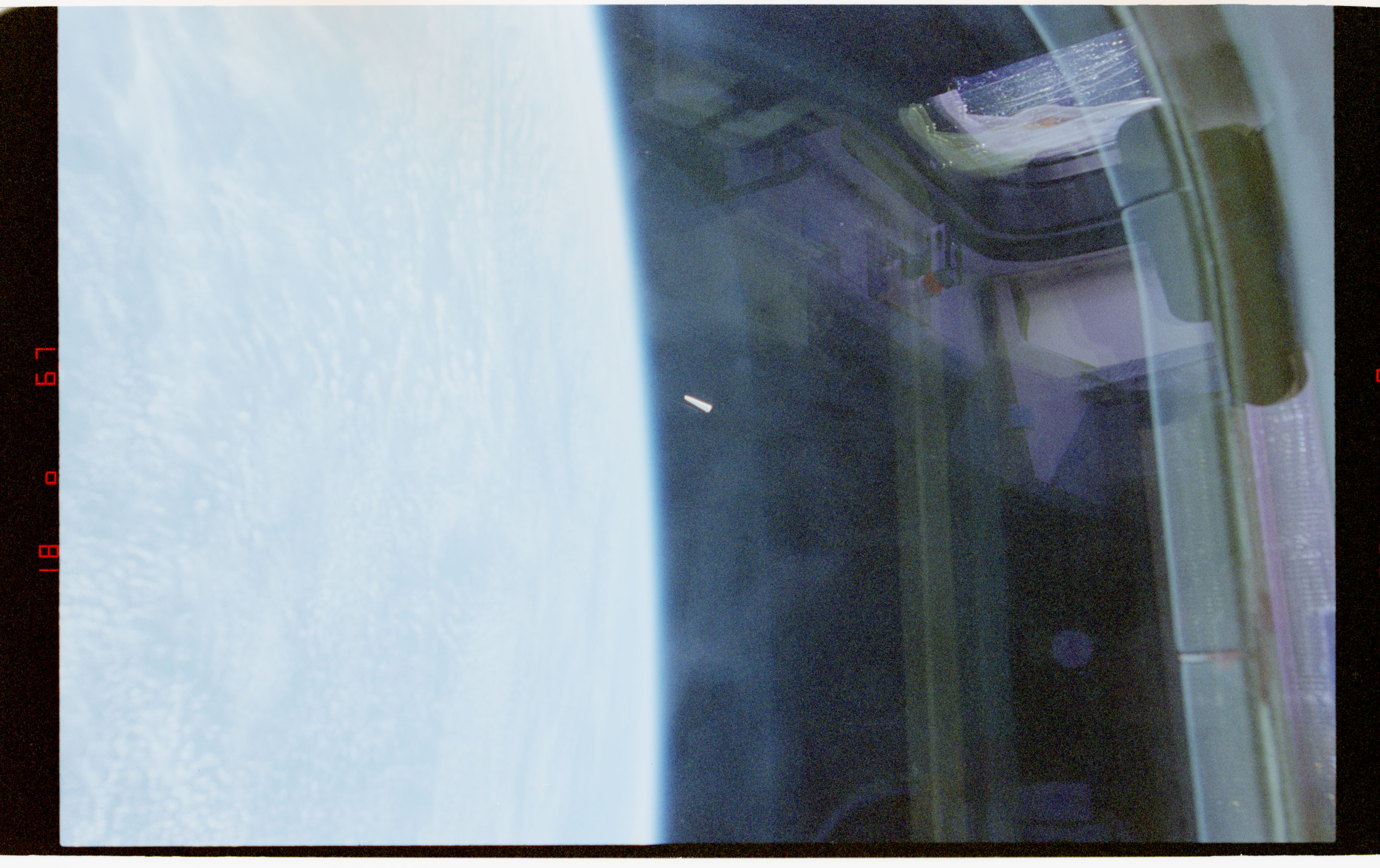
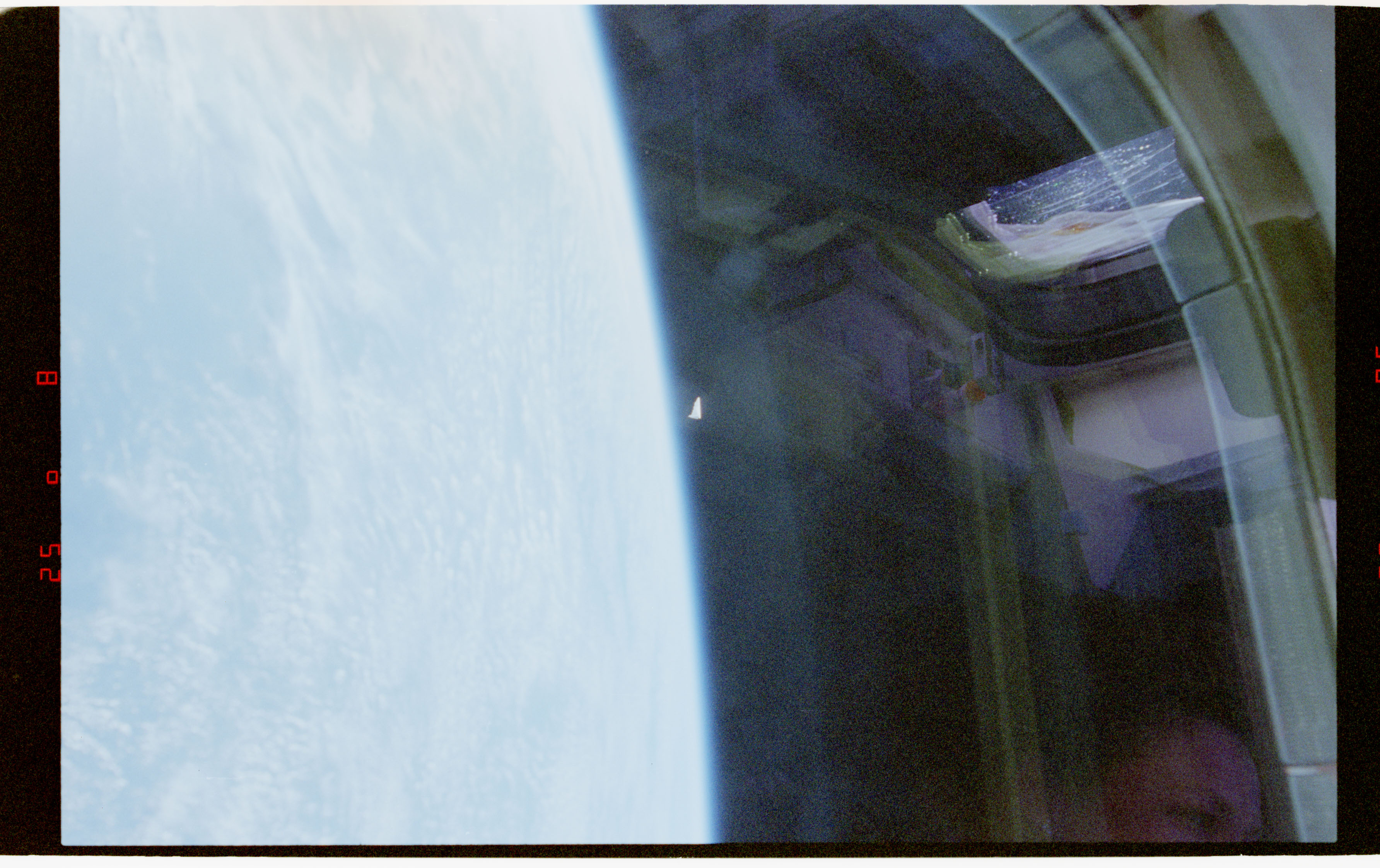
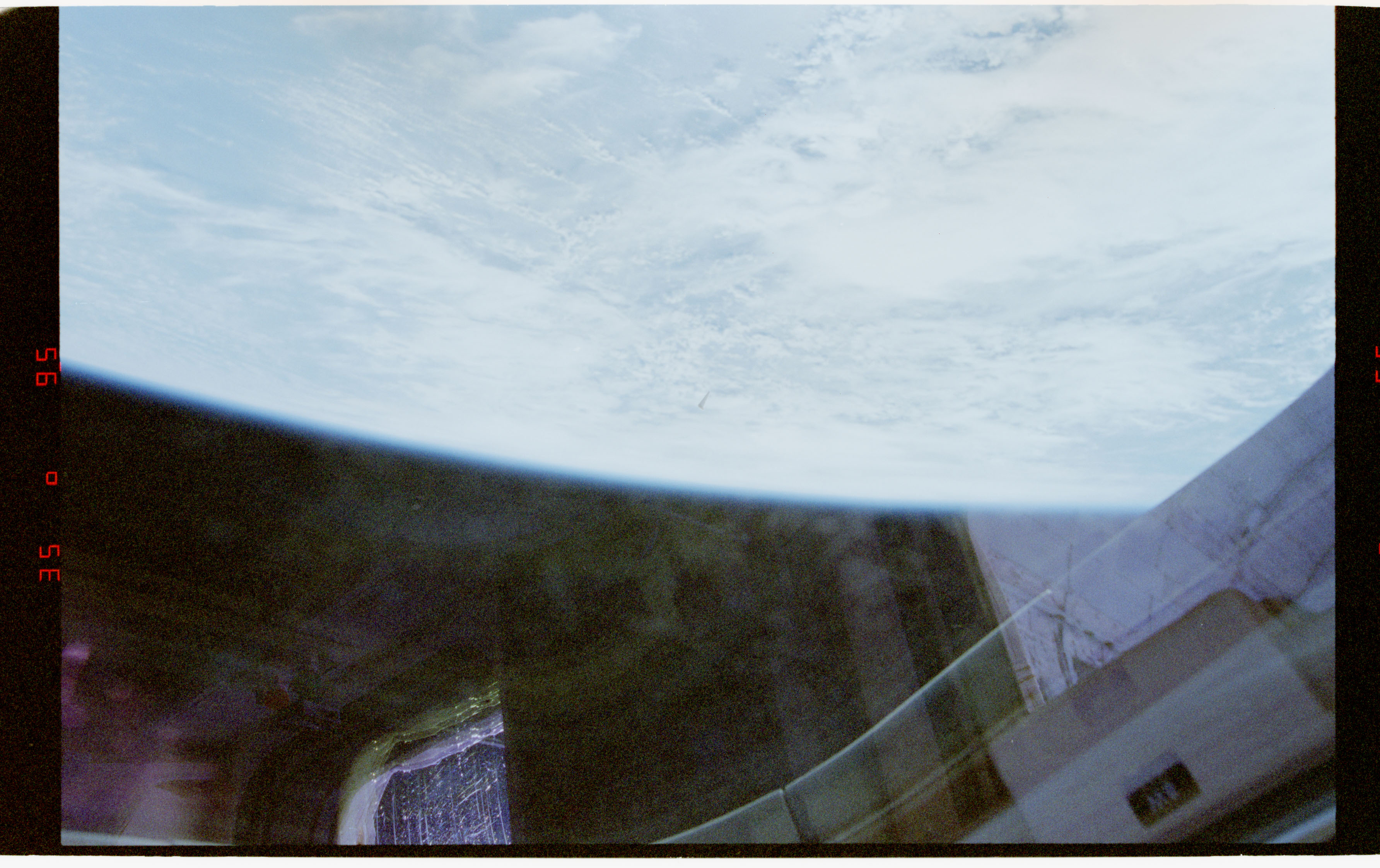
NASA-UAP-D018, Gemini 4 Experiment Debriefing, 1967
NASA224 pagesJun 12, 2026RELEASE-03-FILE-064-NASA-UAP-D018-GEMINI-4-EXPERIMENT-DEBRIEFING-1967

Gemini IV was the second crewed mission of the Gemini series. Astronauts James McDivitt and Edward White successfully completed the four-day flight between June 3 and June 7, 1965. The mission included the first American spacewalk. This collection of documents contains a transcription of the astronauts recounting their observations of bright particles outside the spacecraft, dated circa June 25, 1967, on pages 78-81, and page 101.

ReportAnalyzed
govJun 12, 2026
NASA-UAP-D022, Gemini 9 Debriefing, 1966
NASA78 pagesJun 12, 2026RELEASE-03-FILE-068-NASA-UAP-D022-GEMINI-9-DEBRIEFING-1966

Gemini IX (renamed Gemini IX-A) was the seventh crewed flight of the Gemini series, launched on June 3, 1966. The mission’s primary objectives included a spacewalk and multiple scientific and medical experiments. This document, dated June 16, 1966, is a transcript of a NASA debriefing of astronauts Thomas Stafford and Eugene Cernan. Pages 2-5 of this document contain the astronauts’ accounts of their observations of “flashing lights” and “sparkles” during the mission.

mediaJun 9

Watch live: NASA reveals Artemis III crew

govMay 22

NASA-UAP-D010, Mercury Atlas 9 Audio Excerpt, May 15, 1963

Approximately one hour and 41 minutes into the final and longest flight of Project Mercury, Mercury-Atlas 9 mission (MA-9) Faith 7 Pilot L. Gordon Cooper Jr. notes that he sees “John’s fireflies,” referring to John Glenn’s term from the Mercury-Atlas 6 mission. NASA later determined that the “fireflies” are attributable to frozen condensation separating from the spacecraft body. The white, green-hued appearance of this phenomenon results from sunlight reflecting off frozen condensation.

govMay 22

NASA-UAP-D011, Mercury Atlas 9 Audio Excerpt, May 15, 1963

During the final and longest flight of Project Mercury, Mercury-Atlas 9 mission (MA-9) Faith 7 Pilot L. Gordon Cooper Jr. describes the brilliant blue of sunrise beneath the haze layer of the Earth’s atmosphere. As he approaches sunrise, he describes small, luminous, brilliant white particles drifting away from the spacecraft. Cooper describes observing “fireflies” after deploying beacons, which are spherical mission-related equipment with xenon strobe lights.

govMay 22

NASA-UAP-D012, Mercury Atlas 8 Audio Excerpt, October 3, 1962

During the Mercury Atlas 8 mission, Sigma 7 pilot Walter M. “Wally” Schirra Jr. describes observing “little white objects that tend to come from the capsule itself and drift off.” Schirra later also refers to those objects as “particles” and “lathe shavings.” Schirra also describes seeing a burst of light in the window, whose source he cannot identify. He speculates that his observation corresponds with the moment the sun passes below the horizon during sunset.

govMay 22

NASA-UAP-D013, Mercury Atlas 7, May 24, 1962

During the fourth crewed spaceflight and second orbital flight of Project Mercury, Mercury-Atlas 7 (MA-7), Aurora 7 pilot Scott Carpenter describes white particles in view that appear to move at “random” and “look exactly like snowflakes.” He describes these phenomena as reflective, and that some seemed to move faster than the Aurora 7 spacecraft.

govMay 8

NASA-UAP-D003A, Gemini 7 Audio Excerpt, 1965

This audio recording contains air to ground communications and the NASA Public Affairs audio feed with commentary, recorded during the flight of the Gemini 7 mission. In this excerpted segment of audio, Astronaut Frank Borman reports to NASA mission control in Houston his sighting of an unidentified object, which he referred to as a "bogey." This sighting occurred on December 5, 1965. The dialogue includes Borman's initial report, as well as additional comments by Astronaut Jim Lovell, Borman's fellow crew member.

ReportAnalyzed
govMay 8, 2026
NASA-UAP-D3, Gemini 7 Transcript, 1965
NASA4 pagesMay 8, 2026RELEASE-01-FILE-020-NASA-UAP-D3-GEMINI-7-TRANSCRIPT-1965

Gemini 7 was the tenth crewed American spaceflight. This document is a transcript of communications between the flight crew, Astronauts James “Jim” Lovell and Frank Borman, and the Manned Flight Center (now known as Johnson Space Center) in Houston, Texas. The transcript begins with Borman’s report of a “bogey,” contemporary nomenclature for an unknown aircraft, as well as a debris field. Borman described the debris field as consisting of “very, very many […] hundreds of little particles.” He estimated the particles’ distance from the spacecraft to be four miles. Lovell described observing a “brilliant body in the sun against a black background with trillions of particles on it.” This document also includes handwritten notes documenting the encounter, annotated with the phrase “UFO Sighting by Borman” in the top right corner.

Mention Velocity
30d agoToday
Source Mix
6items
War.gov PURSUE5
NewsNation1
Related Signals
0