Kevin Day
PersonMilitaryKevin Day
PersonMilitaryKevin Day is a retired U.S. Navy operations specialist whose radar team tracked anomalous contacts during the 2004 USS Nimitz encounters.
Kevin Day is a retired U.S. Navy operations specialist whose radar team tracked anomalous contacts during the 2004 USS Nimitz encounters.
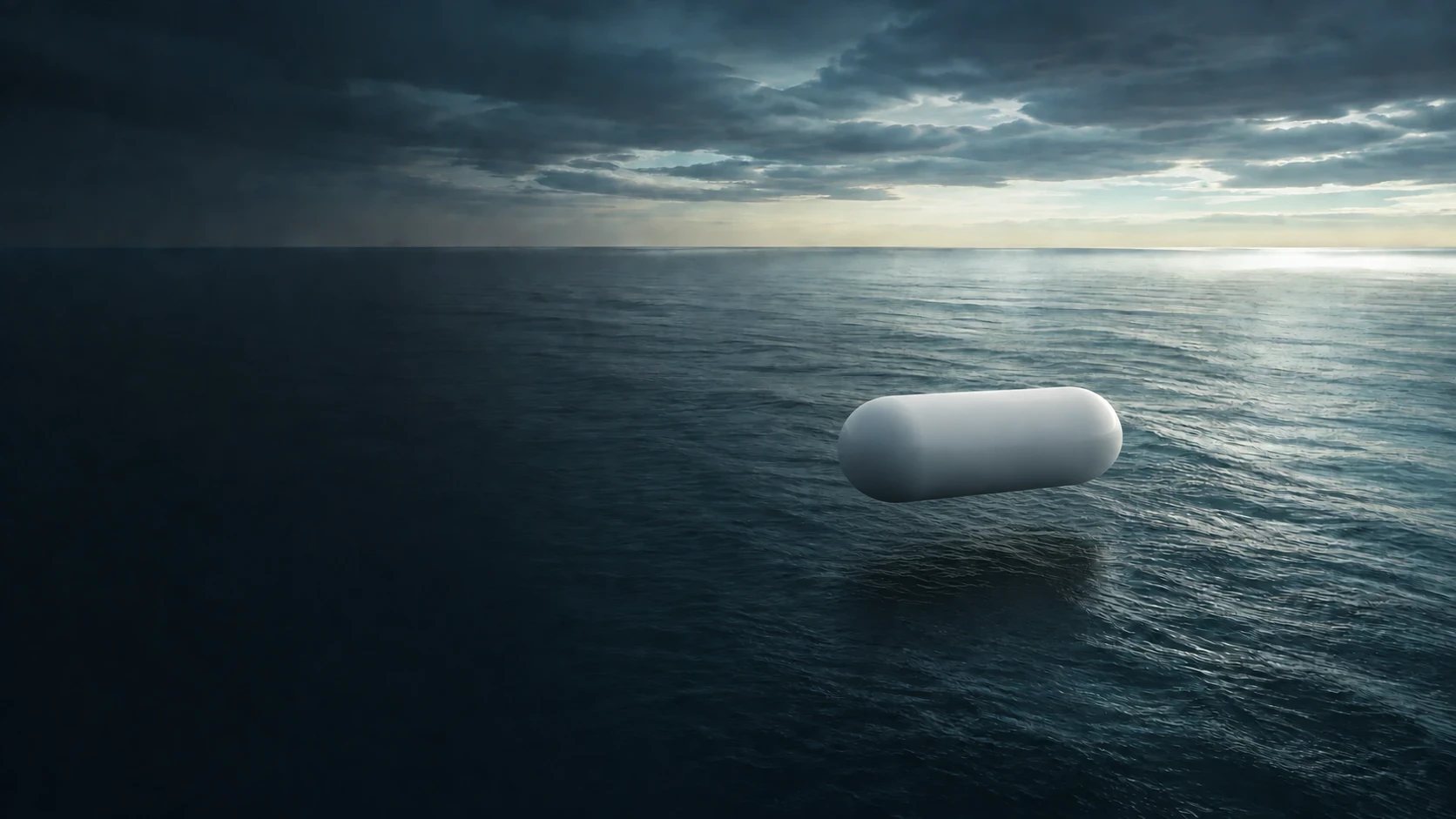
Kevin Day is a retired U.S. Navy senior chief operations specialist who served aboard the guided-missile cruiser USS Princeton. During training operations with the Nimitz carrier group in November 2004, he and other personnel observed unusual tracks on the ship’s radar systems over a period of days. Day helped direct the intercept that led David Fravor and Alex Dietrich to the visual encounter.
Day’s Navy career centered on air-defense operations and the disciplined interpretation of radar tracks inside a carrier strike group. The 2004 contacts became personally significant only after years of silence and renewed public reporting. He later described psychological strain, vivid experiences, and a difficult adjustment as the case became famous. Writing, interviews, and participation in research groups gave him a post-service role as both technical witness and advocate for the sailors whose observations were absent from the earliest public narrative.
Day has described groups of objects appearing at high altitude, descending rapidly, and moving in ways he considered inconsistent with known aircraft. He later spoke publicly about the event’s lasting psychological impact and about subsequent anomalous experiences. The original radar data has not been released, and some details remain dependent on witness memory, but Day’s account is central to the operational chronology.
Day anchors the shipboard portion of the sensor evidence record. His job and location gave him direct involvement in tracking and tasking, while pilots and later video provide different perspectives on the same event. He does not establish the objects’ origin. His testimony shows how a UAP case becomes stronger—and more complicated—when distributed across people, platforms, and missing classified data.

"They all went to the same spot. I can tell you the lat and long." ~Kevin Day (Remember yesterday, when I transcribed Sheehan's words to @ufouapam?) Sheehan: "Lue Elizondo has conveyed to me, the exact longitude and latitude, down to the minute and second, of the location off the Baja Peninsula, off Guadalupe Island...where they have actual videotape, gun-camera-videotape proof of UFOs coming to that particular site and plunging under the ocean with no splash at all. And traveling from 200 mp...

Probed ingest of: I Debated UFOs With America’s Top Skeptic (It Got Ugly…)

Fravor has never said he saw the Tic Tac drop like that. He says it climbed up from ocean level as it mirrored his movement down. And then it took off like a bullet. The drop you mention was allegedly from 28,000 feet down to sea level, and was tracked on the SPY-1 radar, according to Kevin Day. But Fravor never reported seeing that and neither did his WSO or the folks in the other F/A-18, @DietrichVFA41 and her WSO, Jim Slaight. [Quoted] During the 2004 Nimitz encounter, Commander David Frav...
Talk to someone like Kevin Day and you'll see him refer to 100 radar targets in total, in groups of 4-7, over a two-week period. He said it could have been the same group of objects seen over and over and NOT 100 unique objects. https://t.co/6aOzuAO03f [Quoted] Tom DeLonge, in 2019: "You have to understand what happened there. One hundred craft came in from the atmosphere over a four-day period of time, and traveled down the coast of Southern California, and all disappeared at one specific la...


Dave Beaty has a new presentation coming out soon about the Nimitz encounter. Previously he was one of the first to bring us interviews with Kevin Day, Gary Voorhis and others who were on the Nimitz and Princeton that day. His presentation from 2019 The Nimitz Encounters Updated With New Info has been one of the best recreations of the event. A few days ago Dave came out with information about a new witness, Jimmy Hernandez. Hernandez was able to follow movements of the people who came on boa...