Inspector General Complaints
TopicThemeInspector General Complaints
TopicThemeProtected reports to independent oversight offices alleging wrongdoing, retaliation, concealment, or failures involving government UAP activity.
Protected reports to independent oversight offices alleging wrongdoing, retaliation, concealment, or failures involving government UAP activity.



An inspector general complaint is a report to an authorized oversight office alleging misconduct, waste, abuse, legal violations, retaliation, or failures within government programs. Inspectors general can receive protected disclosures, review records, conduct investigations or evaluations, and refer matters to other authorities. Filing a complaint establishes that an allegation entered an official process; it does not by itself show that the allegation was substantiated.
UAP discussion often involves both the Department of Defense Office of Inspector General and the Intelligence Community Inspector General. Their jurisdictions and public reporting differ. The DoD OIG has evaluated the department's actions, roles, and coordination on UAP. Intelligence-community complainants may use classified channels when the subject involves intelligence programs or sources. Lawmakers authorized to receive information can be briefed even when the underlying complaint cannot be released publicly.
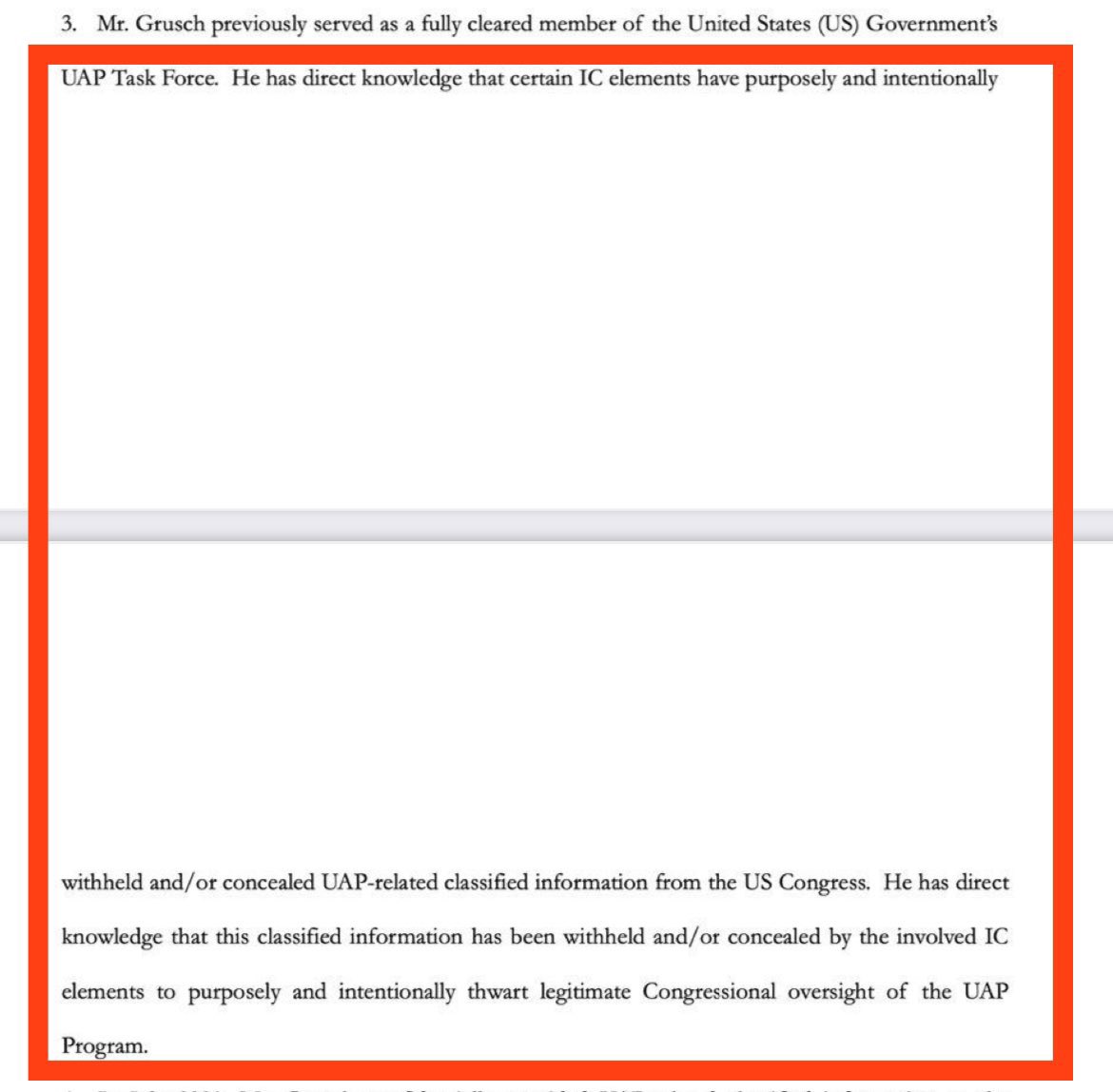
David Grusch brought inspector-general mechanisms into public focus through complaints involving his UAP-related work and alleged retaliation. Public statements about urgency or credibility are frequently misunderstood. In oversight practice, a complaint can be credible enough to investigate without the office having validated every substantive claim described by the complainant. Retaliation findings, jurisdictional decisions, and claims about concealed programs are also distinct questions.
The evidentiary record should identify which office received a filing, its date and statutory basis, what portion is public, and whether an investigation produced a finding. Anonymous summaries and second-hand descriptions should not be presented as the complaint itself. Inspector-general channels are essential to Whistleblowers & Testimony because they allow protected scrutiny of classified matters, but secrecy around the process makes careful wording especially important: “filed,” “referred,” “investigated,” and “substantiated” are not interchangeable.

RT @theblackvault: NEW: Just days after I filed a request digging in to the UAP Evaluation project the DoD/IG was doing, someone circulated…

NEW: Just days after I filed a request digging in to the UAP Evaluation project the DoD/IG was doing, someone circulated this warning email that people like me were prying around. 😂 https://t.co/X7RUrvUE92

RT @MvonRen: @Go_Kick_Rocks88 @19k0011 Grusch’s ICIG complaint lists his allegation of impropriety on UAP matters first, prior to the repri…

🚨What Do They Know? Why UAP Whistleblowers Are Appealing Directly to Trump Something has recently changed in the way people inside the UFO disclosure effort are speaking. For years, the familiar route was through congressional hearings, classified briefings, inspector general complaints and carefully worded interviews. Information moved behind closed doors while the public received fragments. Witnesses could tell certain people certain things, provided the conversation remained inside the cl...

RT @SaraBondink: 🔥 A must listen 👇🏻 💥 Avril Haines - scrubbed Palantir consultant from her resume / elevated Grusch’s ICIG complaint I…