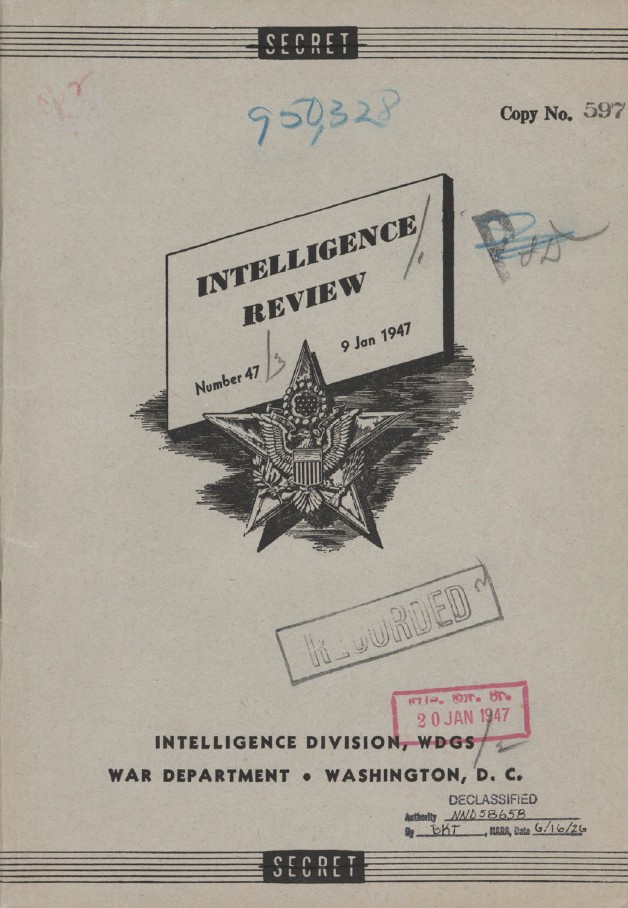
A January 1947 War Department intelligence review assesses the 1946 Scandinavian “ghost rocket” reports. It contrasts highly variable witness accounts with official investigations, notes the absence of recovered direct evidence, and concludes that only a small number may have involved low-flying V-1-type missiles while many high-altitude reports were likely meteors or fireworks.
Scandinavian Ghost Rockets
In 1946, thousands of rocket- or missile-shaped objects ("ghost rockets") were reported over Sweden and Scandinavia, prompting a secret military investigation — a key pre-Roswell aerial-phenomenon wave.
Sweden / Scandinavia
Probed ingest of: UAP Tranche 5: If You Think There’s Nothing Here, Look Again
'Ghost Rocket' UFO Files Released By The Pentagon - 1947 😱 DOW-UAP-D099, Intelligence Review of “Ghost Rocket” Incidents, 1947 The review also documents a change in the public stance of the Swedish Defense Staff, which privately attributed the objects to Soviet V-1 missile tests launched from Peenemünde. Peenemünde is a then-occupied municipality in northeastern Germany that had been associated with the development of the V-1 and V-2 rocket program during World War II. The Swedish assessment...

What do we know now that we didn’t know then?
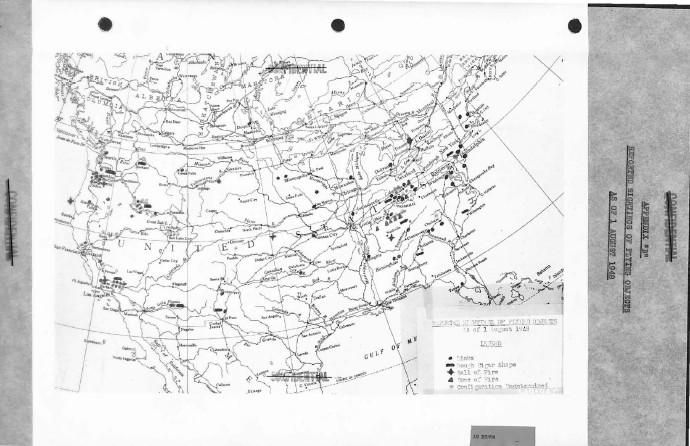
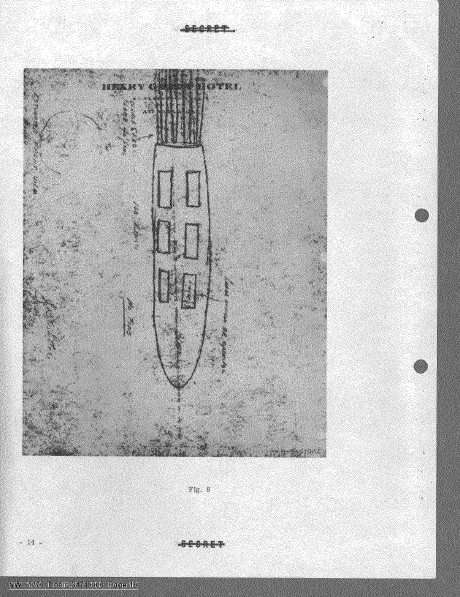
A 1948 Air Intelligence Division draft analyzed recurring flying-object reports, conventional aircraft and foreign-development possibilities, geographic patterns, and selected visual and radar cases while acknowledging that the evidence could not determine a single origin. The document captures an early intelligence attempt to reason across a diverse case set without treating unresolved classification as proof of one technology or origin.
Air Intelligence Division Study No. 203 compiled recurring flying-object reports, candidate domestic and foreign explanations, geographic patterns, and selected visual and radar cases while concluding that the available material could not reliably identify their origin. The file shows an early intelligence effort to organize a heterogeneous report set and assess aviation or security implications without converting unresolved observations into a claim of extraordinary technology.