SCU Annual Conference
The SCU Annual Conference is a recurring UAP research meeting focused on evidence, methods, sensors, and scientific standards.
The SCU Annual Conference is the recurring conference of the Scientific Coalition for UAP Studies, a nonprofit research organization focused on unidentified anomalous phenomena. The event brings researchers, scientists, technologists, and policy figures into a setting meant to emphasize methods and evidence rather than spectacle. Its role in UAP history is not tied to one single proof claim. It is a forum where the research community argues over what kinds of UAP data can be studied responsibly.
The conference matters because UAP work often suffers from weak evidence handling: unclear provenance, missing sensor metadata, anecdotal chains, and public claims that outrun the record. SCU's stated niche is to apply scientific and technical standards to those problems. Conference programs typically point toward radar, optical systems, photogrammetry, aviation reports, ocean cases, and data-analysis methods. That makes the event an institutional attempt to keep UAP research closer to reproducible inquiry.
The 2026 conference drew attention because it was scheduled for Toronto and because former defense official Christopher Mellon was announced as a keynote speaker. That mix shows the conference's dual character: partly a technical research meeting, partly a policy and disclosure venue. The presence of public figures can broaden attention, but it also raises the burden to distinguish advocacy from analysis.
The documented record for the conference is strongest when official programs, proceedings, speaker lists, and published papers are available. It is weaker when claims circulate only through clips or social media. A conference talk can introduce a case, method, or dataset, but the evidentiary weight comes later through publication, peer review, replication, or release of underlying data. In that respect the SCU Annual Conference should be read beside technical events such as the UAP Detection and Tracking Summit, where the key question is whether discussion translates into better collection and analysis.
The event also helps map the social infrastructure of UAP research. It shows who is willing to attach professional credentials to the topic, what methods are becoming acceptable, and where the community still lacks reliable data. If SCU maintains skeptical challenge and transparent standards, the conference can improve the field. If it becomes mainly affirming, its scientific value will be limited.
The 2026 conference framing, including the announcement of Christopher Mellon as a keynote speaker, shows how SCU tries to bridge technical research and policy attention. That bridge is useful only if it keeps the categories separate. A policy figure can explain why better data and reporting rules matter, while researchers still have to show their work. The conference's importance therefore lies in whether it encourages disciplined handoff between public interest, professional expertise, and inspectable evidence.
Probed read: The strongest part is SCU's method-forward posture and recurring conference structure. The weakest part is that a conference does not validate UAP claims by itself; each presentation still needs inspectable data, clear assumptions, and independent review.
What would move the assessment: Published proceedings, shared datasets, reproducible analyses, and documented debate with skeptical reviewers would raise confidence in the conference's value. Vague presentations, unavailable data, or headline claims without technical artifacts would lower it.


Physicist, former NASA researcher takes UAP seriously | Reality Check


Ross Coulthart returns from Toronto's Scientific Coalition for UAP Studies conference to answer viewer questions. He tackles questions about UAP Gerb, how how the Five Eyes alliance, the U.S., U.K., Canada, Australia, and New Zealand, is coordinating on UAP disclosure, why Australia's Defense Intelligence Organization is dodging freedom-of-information laws, https://youtu.be/mCxTV9aF\_Fw?si=23KiRuYu92JpH23k
Coulthart on Elizondo: 'Still constrained by his security oaths' | Ross Coulthart Q&A

Coulthart on Elizondo: 'Still constrained by his security oaths' | Ross Coulthart Q&A
In this week's episode of "Reality Check," Ross Coulthart returns from Toronto's Scientific Coalition for UAP Studies conference to answer viewer questions.


Has anyone heard of any prominent figures in the community confirming their attendance as guests or media coverage? Possibly Grusch or any other whistleblowers? Ross Coulthart mentioned he's attending in person on one of his episodes of Reality Check. Super excited about that. Hope to see a bunch of familiar faces in T.O!

RT @ExploreSCU: We are thrilled to announce that Sean Grosvenor, BA, will be speaking at the upcoming SCU Conference in Toronto! Bringing a…

This UAP Conference Could Change Everything (w/ Rich Hoffman)
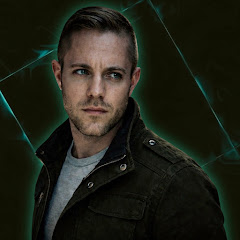
RT @ExploreSCU: Christopher Mellon, former Deputy Assistant Secretary of Defense for Intelligence, to Keynote 2026 SCU Annual Conference on…
Former Pentagon official Christopher Mellon will headline the 2026 Scientific Coalition for UAP Studies conference. https://t.co/rDSwWrQtrO

https://t.co/ouR9cYSP9x https://t.co/DNZ7AO1Tua [Quoted] When Amy Eskridge met Lue Elizondo Deep Prasad recounts when he first met Amy Eskridge at the 2019 SCU conference in Huntsville Alabama, and he introduced her to meet Lue Elizondo. Something crazy happens as Deep is describing meeting Amy, four bears cross his path and he has https://t.co/5LiaKv6s8U