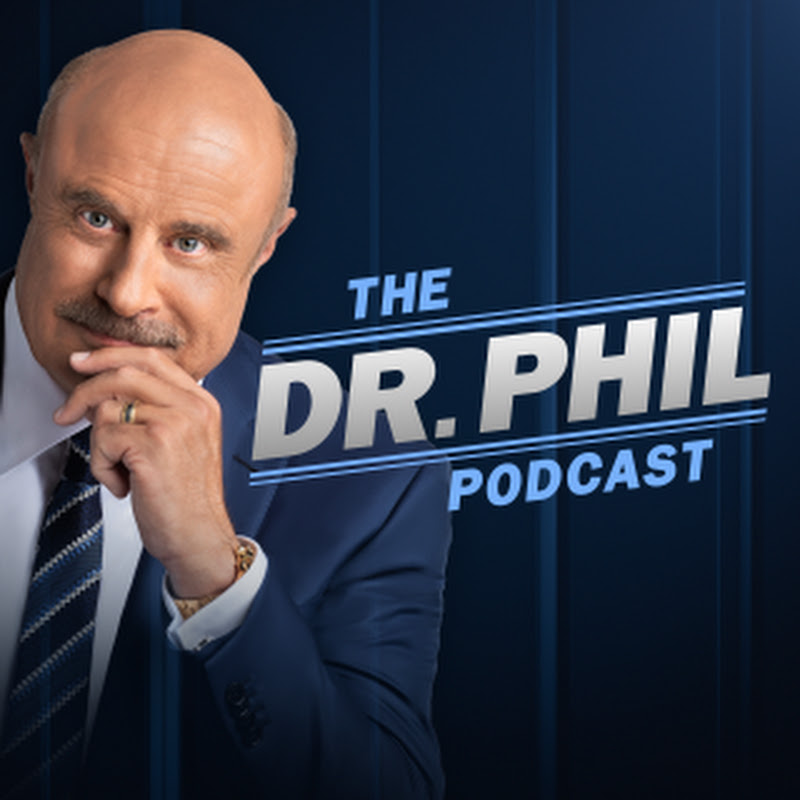
Phil McGraw
PersonPodcasterPhil McGraw
PersonPodcasterPhil McGraw is a psychologist, author, and media host whose podcast interviews now bring UAP testimony and disclosure questions to a broad audience.
Phil McGraw is a psychologist, author, and media host whose podcast interviews now bring UAP testimony and disclosure questions to a broad audience.
 The Dr. Phil Podcast
Phillip Calvin McGraw is an American psychologist, author, and media host known professionally as Dr. Phil. He earned a master's degree in experimental psychology in 1976 and a doctorate in clinical psychology in 1979 from the University of North Texas. After working in clinical practice and trial consulting, he began making weekly appearances on The Oprah Winfrey Show in 1998, a national introduction that led to the launch of his syndicated daytime program Dr. Phil in 2002.
McGraw built his public career by translating psychology, relationships, addiction, family conflict, and crisis intervention into direct conversations for a mass audience. The television format made him one of the country's most recognizable advice hosts, while his books, production work, and later digital programs extended that role beyond daytime television. The Dr. Phil Podcast now serves as his long-form interview and commentary platform, mixing mental-health and personal-development subjects with politics, current events, crime, and public controversies.
In 2026, McGraw began devoting sustained attention to unidentified anomalous phenomena and the consequences of possible government disclosure. Episodes with Christopher Mellon, Bryce Zabel, Ryan Graves, and David Grusch moved the subject into a mainstream interview setting. McGraw's contribution is primarily interrogative and psychological: he asks guests what they personally witnessed, what evidence remains classified or secondhand, and how authorities should communicate information that could disrupt religious beliefs, public trust, or vulnerable people's sense of safety.
His August 2026 interview with Grusch illustrates that approach. Grusch alleged that he had viewed classified photographs and video of recovered vehicles and deceased occupants, while attributing claims about live occupants and consciousness-based communication to unnamed contacts. McGraw repeatedly pressed for physical proof and clearer separation between firsthand access and testimony received from others. The program did not independently verify Grusch's allegations, which remain disputed by official reviews, but McGraw's willingness to ask those questions brought UAP disclosure into a much larger cultural and behavioral-health conversation. His role is significant not as a government investigator, but as a prominent interviewer testing how extraordinary claims are presented to the public.

