NDAS
TopicConceptNDAS
TopicConceptNondisclosure agreements that define continuing duties to protect classified or otherwise restricted government information.
Nondisclosure agreements that define continuing duties to protect classified or otherwise restricted government information.


A nondisclosure agreement is a legal commitment not to reveal protected information to unauthorized recipients. In national-security work, the standard classified-information agreement accompanies access to Confidential, Secret, or Top Secret material. It works with clearance and need-to-know rules: having signed an NDA does not grant access, and leaving government service does not end the duty to protect information that remains classified. Special-access and intelligence compartments may add separate indoctrination agreements.
UAP debate often treats NDAs as evidence that witnesses are legally unable to speak. The reality is narrower. Agreements prohibit unauthorized disclosure; they do not erase lawful reporting channels to inspectors general, Congress, or other officials authorized to receive the information. Recent legislation directed the All-domain Anomaly Resolution Office to accept certain UAP disclosures and specified that authorized reporting is not blocked by prior or current agreements. Those provisions do not authorize release to the press or public.
Former personnel may also face prepublication review. The Department of Defense requires covered authors to submit material connected to protected knowledge before public release, allowing reviewers to remove classified content while generally leaving unclassified claims intact. A cleared manuscript therefore shows that its publication was permitted; it does not mean the government verified or endorsed every assertion in it. Conversely, a redaction does not disclose the substance or truth of what was removed.
NDAs are central to Whistleblowers & Testimony because a credible disclosure must navigate both secrecy law and oversight rights. Claims that an agreement is “illegal” or has been “waived” should identify the agreement, controlling statute, authorized recipient, and scope of the waiver. The most defensible distinction is between protected communication through an official channel and an unauthorized public disclosure, not between speaking and remaining silent in the abstract.

[Retweeted] Jay Stratton and Dan Farah on Hannity: highlight Reel V.2 👇🏼 Crawford ranch witnesses put under NDAs, "men in suits" emptying DIA files, crashes caused on purpose, recoveries in Russia, one CIA gatekeeper saying no, and the gatekeepers are "still there." Hannity offers to call Trump. Normal Tuesday.

[Retweeted] Is Joint Special Operations Command (JSOC) Behind Covert UAP Crash Retrievals? And are we sadly actually there? Which side of the line in the sand do you fall on regarding disclosure? In my recent interview with Rear Admiral Tim Gallaudet—Leadership, UAP Secrecy & The Search for Truth Beneath the Ocean—we dive deep into military lore, NDAs, and whether elite military assets like JSOC are involved in UAP crash retrieval operations. As Rear Admiral Gallaudet notes: "I don't know for...

[Retweeted] A poignant reminder, especially on the UAP front: No person has ever been prosecuted or sued for providing classified information to any Member or committee of Congress. Concerns around disciplinary action, clearance, and livelihood are warranted, but the stakes around prosecution and NDAs or lawsuits are different from the public narrative.


"Going further than ever before, [Jay] Stratton confirms he has personally witnessed non-human craft and beings with his own eyes," POTUS: like Grusch, Borland and Brown already asked... get rid of the NDAs (even temporarily), and we'll get true disclosure. Stratton's testimony will be "up there" as well. https://t.co/igcqS5IHOI


A new NRO memo explicitly names non-human intelligence, aliens and extraterrestrials in its definition of UAP-related phenomena and directs personnel to disclose relevant information to authorized AARO or PURSUE representatives. The memo says NDAs and compartmentalized program restrictions cannot be used to block the release of this information.

A new NRO memo explicitly names non-human intelligence, aliens and extraterrestrials in its definition of UAP-related phenomena and directs personnel to disclose relevant information to authorized AARO or PURSUE representatives. The memo says NDAs and compartmentalized program restrictions cannot be used to block the release of this information.
The call to action is clear: appeal to Trump’s closest public-facing media confidants (with a direct line to Trump) using only the most legitimate of UFO insiders/whistleblowers. The requests: (1) remove public-facing NDAs so WBs can openly share what they know with the public, and (2) give the disclosure speech which we know is already written. All hands on deck.

Dylan Borland, re the new PURSUE NDA waiver: "I'm glad that they're waiving NDAs for everybody who was on the Defense Department side... It doesn't change the Intelligence Community side.” And what do WE, the public want: Complete Disclosure. No more fine print. https://t.co/gOMQFL4OSb
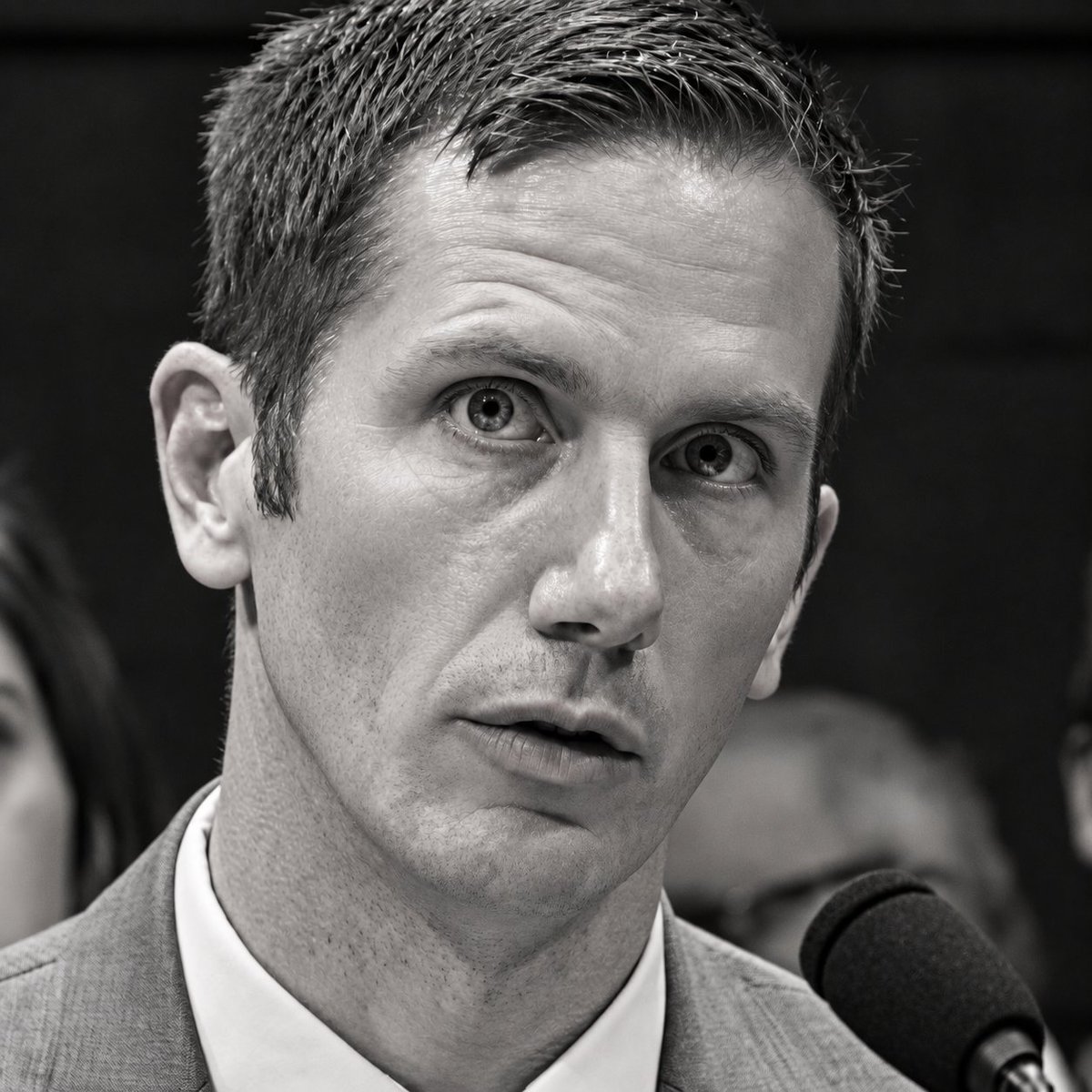
"Dylan Borland, David Grusch and Matthew Brown say they accumulated the information while working in highly classified government programs and are legally barred from discussing it publicly without White House intervention." If Trump authorizes the removal of public-facing NDAs, even for a week or two, then we'd truly enter the Age of Disclosure. https://t.co/rsg1O2qczz
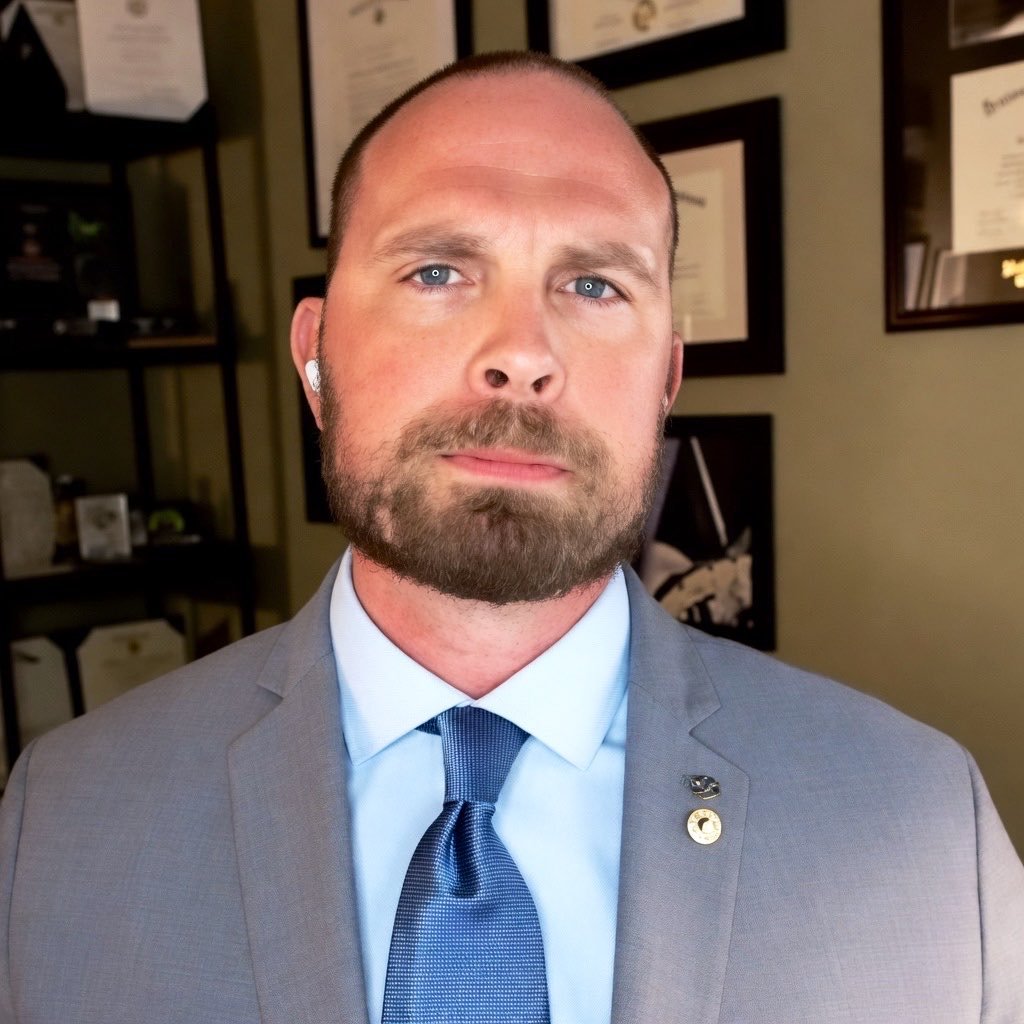
[Retweeted] Waive their NDAs @POTUS and let the American people hear the classified details needed to verify their extraordinary claims that the U.S. government has definitive evidence that we are not alone. #disclosuretoday #UAPtruth https://t.co/60INguxbQB